New Year Home Organisation: 7 Simple Ways to Start January Organised
January has a very specific feeling. The holidays are over, the house is full of new things and old decorations, and every drawer you open seems to sigh at you. The good news is that new year home organization does not need a full weekend, a label maker addiction or a cart full of new containers. It needs seven small, simple moves, done one at a time, that give everything a home before the year gets busy.
I do these same seven every January in my small home, and none of them takes more than an hour. Together they clear the holiday clutter, reset the hardest working corners, and set up one tiny habit that keeps it all from sliding back by March. Start with the first way this week, and by the end of January your home will feel like a fresh page instead of last year’s leftovers.
The Quick List
- Take the holidays down, and sort as you go
- Give your wardrobe a January edit
- Reset the pantry with clear zones
- Put daily kitchen items at eye level
- Win the junk drawer and the paper pile
- Baskets and labels in the bathroom
- Set a 10 minute weekly reset
The 7 Simple Ways
1. Take the Holidays Down, and Sort as You Go
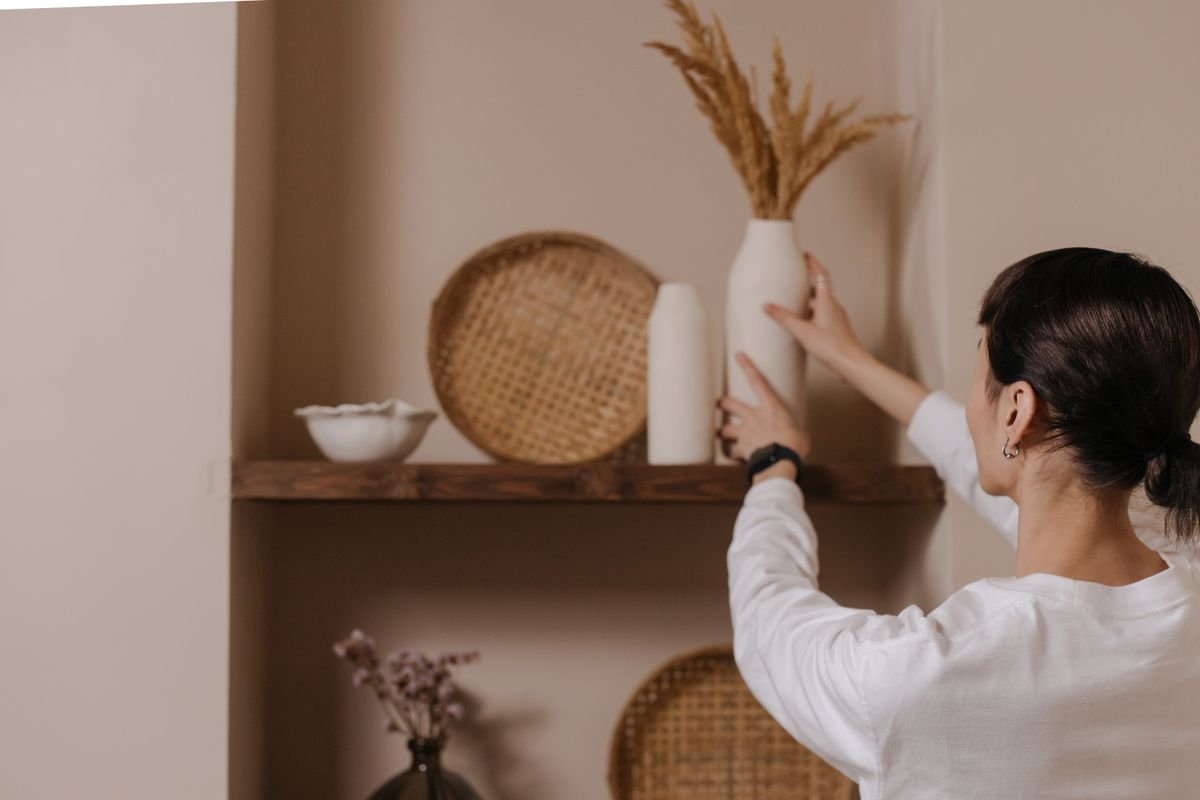
The fastest January win is not adding organization, it is removing December. Take down the tree, the lights and every holiday item, but sort while you pack instead of throwing it all into bins. Broken ornaments and anything you did not use this year go straight into a donate or toss pile, not back into storage. You will store less, and next December you will open boxes of only things you love.
Tip: Keep one medium box labeled “Donate” by the door for the whole month. January editing happens in small moments, and the box catches them before piles form.
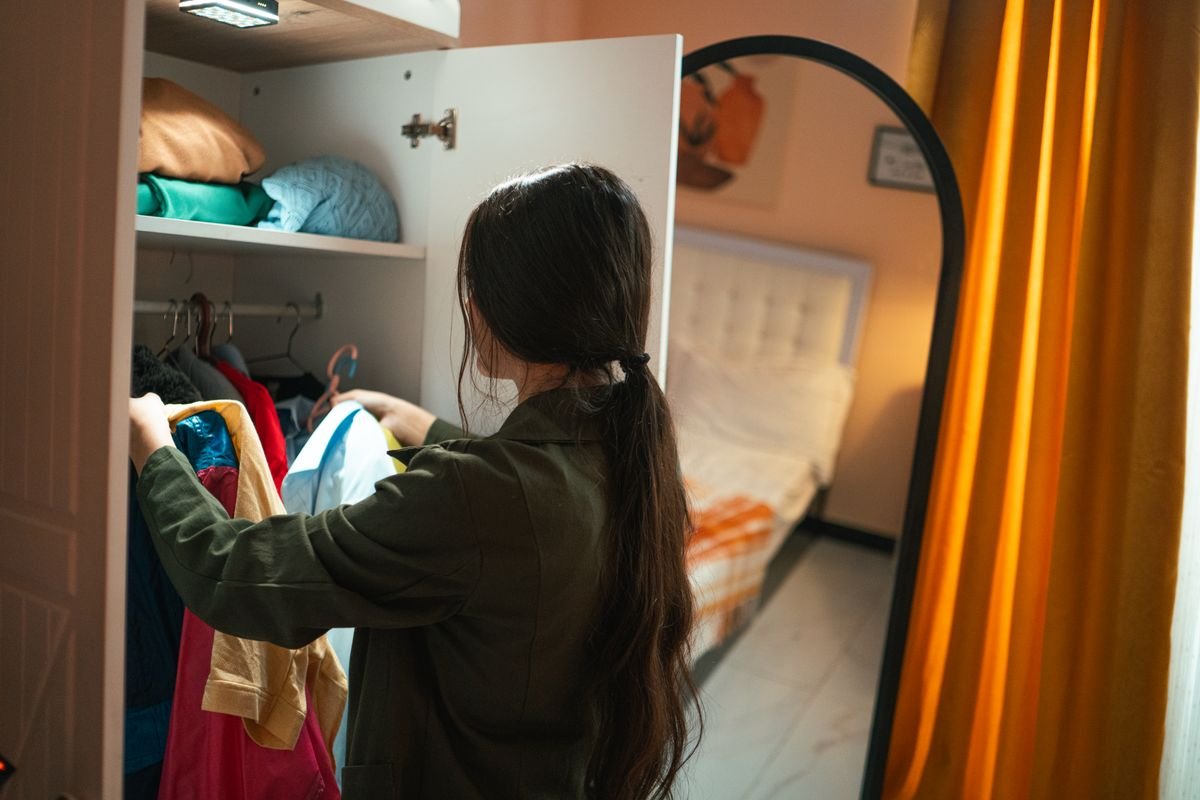
2. Give Your Wardrobe a January Edit

Closets swell in December with gifts, party clothes and winter layers, so the wardrobe is the highest impact reset. Take everything out by category, tops, then bottoms, then shoes, and only put back what fits, flatters and gets worn. If you did not wear it last winter, January is the honest moment to let it go. Matching slim hangers instantly make even a small closet look calm and double the hanging space.
Tip: Turn all your hangers backwards on January 1. When you wear something, turn its hanger forwards. By spring, every backwards hanger is an honest answer about what to donate.
3. Reset the Pantry With Clear Zones

Pantries drift into chaos one grocery trip at a time. Empty one shelf at a time, toss anything expired, and put food back in zones: breakfast, baking, snacks, cans, pasta and grains. Zones matter more than pretty jars, because a zone tells every household member where things live and where they go back. Clear containers help where they count, for flour, rice and cereal, since you can see when you are running low.
Tip: The cheapest pantry upgrade is a lazy Susan or a low basket for the deep corner where cans go to be forgotten. If you can see it, you will use it.
4. Put Daily Kitchen Items at Eye Level
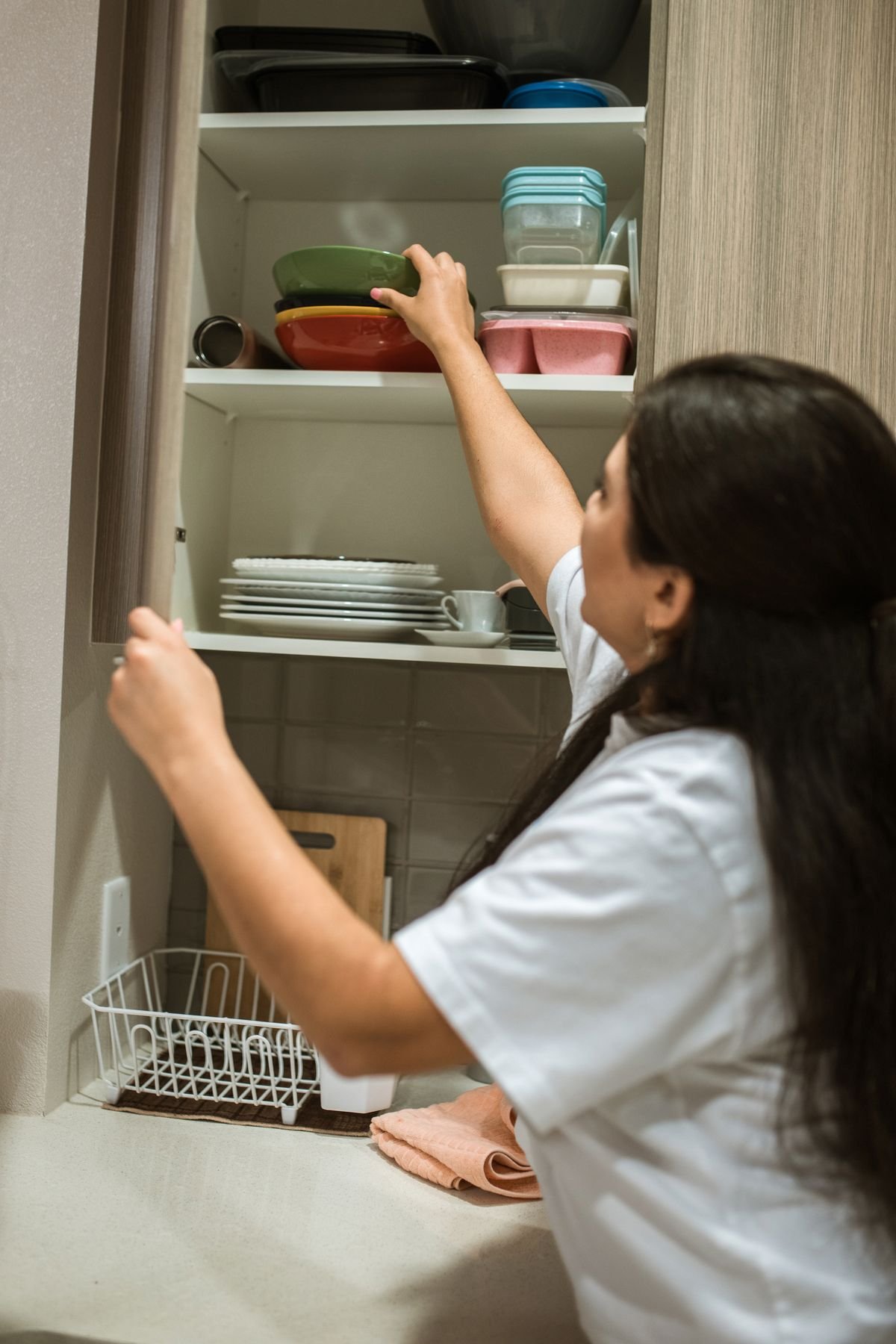
In most kitchens, the things used every day fight for space with things used twice a year. January is the time to swap them: mugs, everyday plates and the pans you reach for daily move to the easy shelves at eye level, while the roasting pan, the fondue set and the holiday platters move up high or down low. Your kitchen will feel bigger without removing a single item, because the daily scramble is gone.
Tip: Count how often you truly use an appliance. If the answer is less than once a month, it does not earn counter space. Store it, and enjoy the empty counter every day instead.
5. Win the Junk Drawer and the Paper Pile

Every home has one drawer where batteries, tape, chargers and mystery keys go to tangle, and one surface where mail and school papers breed. Fix both with the same method: empty fully, throw away the true junk without mercy, and give what stays a divided home. A cheap drawer organizer or even small boxes you already own will do. For paper, one wall organizer, tray or folder by the door, sorted weekly, ends the pile forever.
Tip: Photograph the inside of your tidy drawer. On the days it starts sliding back, the photo is a two minute map for restoring it.
6. Baskets and Labels in the Bathroom
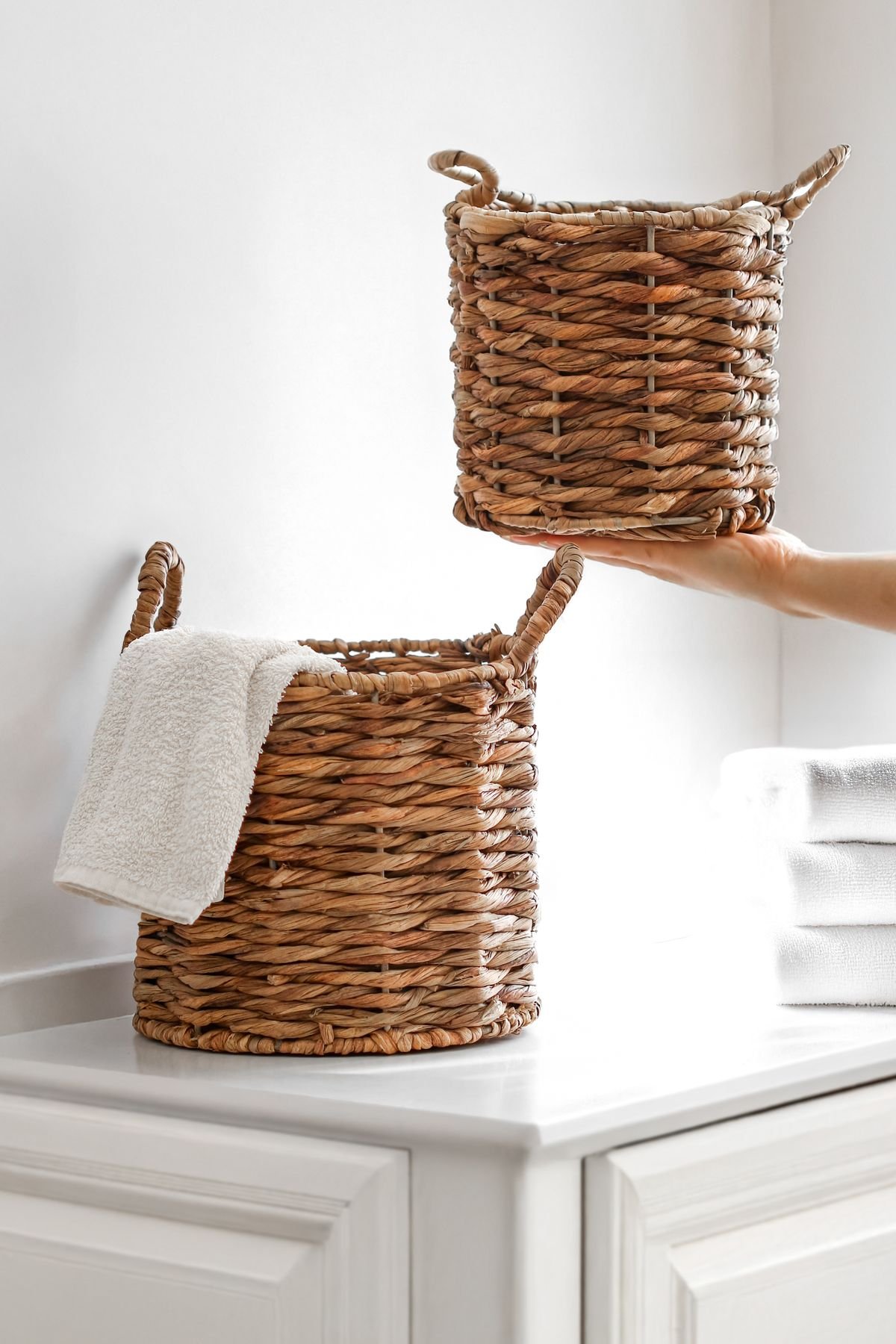
Bathrooms are small, shared and used in a hurry, which is why they fall apart first. Group everything by job: daily skincare, medicines, cleaning, towels, backups. Each group gets one basket, bin or shelf section, and a label if the home is shared, because nobody can put things back in a system they cannot see. Clear the counter down to only what you use every single morning.
Tip: Keep backups somewhere else, like a hall closet. Five extra bottles of shampoo stored in the bathroom are not storage, they are clutter with good intentions.
7. Set a 10 Minute Weekly Reset

Here is the way that makes the other six last: one small reset, same time every week. Pick a slot, Sunday evening works for most homes, set a timer for 10 minutes, and walk the home with a basket: return strays to their zones, clear the paper tray, empty the donate box into your car, done. Systems do not fail because they are weak; they fail because nobody spends the tiny maintenance they need.
Tip: Attach the reset to an existing habit, like right after Sunday dinner or before your favorite show. A habit with an anchor survives; a habit floating in good intentions does not.
Organizing Mistakes to Avoid
- Buying containers before decluttering. Pretty boxes full of things you do not need are just expensive clutter. Edit first, measure second, buy last.
- Trying to organize the whole house in one weekend. Burnout by Sunday night is why January projects die. One zone at a time, finished fully, beats five zones half done.
- Organizing without giving things a home. If an item has no assigned place, it will live on the nearest surface. Every category needs an address before it goes back.
- Hiding clutter instead of removing it. Shoving things into bins and closets moves the problem out of sight for a month and doubles it by spring.
- Building a system only you understand. If your family cannot follow it in five seconds, it will not survive a busy week. Simple and visible wins.
Frequently Asked Questions
When should I start organizing my home for the new year?
Start in the first two weeks of January, while the motivation and the holiday clutter are both fresh. Begin with taking the decorations down and sorting as you pack, because that single job frees the most space and makes every other zone easier. Small finished wins early in the month carry the whole project.
What should I organize first in a small home?
Start where disorder spreads fastest: the wardrobe, the kitchen counters and cabinets, and the entry paper pile. In a small home these three control how the whole place feels. Storage poor homes benefit most from editing, since every item removed is space gained without buying anything.
Do I need to buy containers and organizers first?
No. Declutter and assign zones first, then shop your own home for baskets, boxes and trays you already own. Only buy what is still missing, measured to fit the shelf or drawer it will live in. Most January organizing budgets are wasted on containers bought before the edit.
How do I stay organized all year, not just in January?
Keep the system simple, give every category a visible home, and protect one 10 minute weekly reset. Add the one in, one out rule for clothes and kitchen items, and keep a donation box permanently by the door or in a closet. Organization that lasts is mostly small habits, not big projects.
How can I organize my home on a small budget?
Edit first, because removing things is free. Then use what you own: shoe boxes as drawer dividers, jars for pantry goods, baskets from other rooms. Dollar stores cover the rest, drawer organizers, labels and bins, for a few dollars per zone. Spend any real money only on the one or two hardworking pieces, like good hangers or a lazy Susan, that you will touch every day.
Want to keep going? These budget-friendly home decor ideas refresh the rooms you just organised, and these rental-friendly decor ideas do it without damaging a single wall.
Final Thoughts
A January home does not need to look like a magazine; it needs to work on a tired Tuesday. Seven simple ways: sort the holidays away, edit the wardrobe, zone the pantry, raise the daily kitchen items, divide the junk drawer, basket the bathroom, and keep a tiny weekly reset. Do them one at a time and your home will start the year the way you want the year to feel: calm, clear and easy to live in.
Save this list on Pinterest @dwellonbudget for your January reset, and tell me in the comments which zone you are tackling first.