

18 Budget-Friendly Home Decor Ideas That Look Expensive
A beautiful home is not about how much you spend. It is about where you spend it. When we decorated our place on a tight budget, I kept a rule: every purchase had to either add light, add texture, or hide clutter, and anything that did none of the three stayed on the shelf. These 18 ideas are the ones that passed that test, room by room, most of them under $20 each.
The biggest secret on this list is number 7. Guests always ask where it came from, and it costs less than lunch. The rest are just as kind to a wallet: thrift store finds, ten-minute swaps and styling tricks that make what you already own look deliberate.
The Quick List
- Swap cabinet and drawer hardware
- Add one large mirror
- Layer lighting with thrifted lamps
- Frame printable art in thrifted frames
- Style surfaces with trays
- Hide clutter in baskets
- Paint one thrifted furniture piece
- Put a plant in every room
- Hang curtains high and wide
- Refresh cushions and throws
- Style open shelves with matching jars
- Anchor the living room with a rug
- Decorate with stacked books
- Group candles in threes
- Build an entryway drop zone
- Go all-white on bedding, add one accent color
- Add a picture ledge for rotating art
- Repeat one metal finish everywhere
The Ideas
1. Swap cabinet and drawer hardware
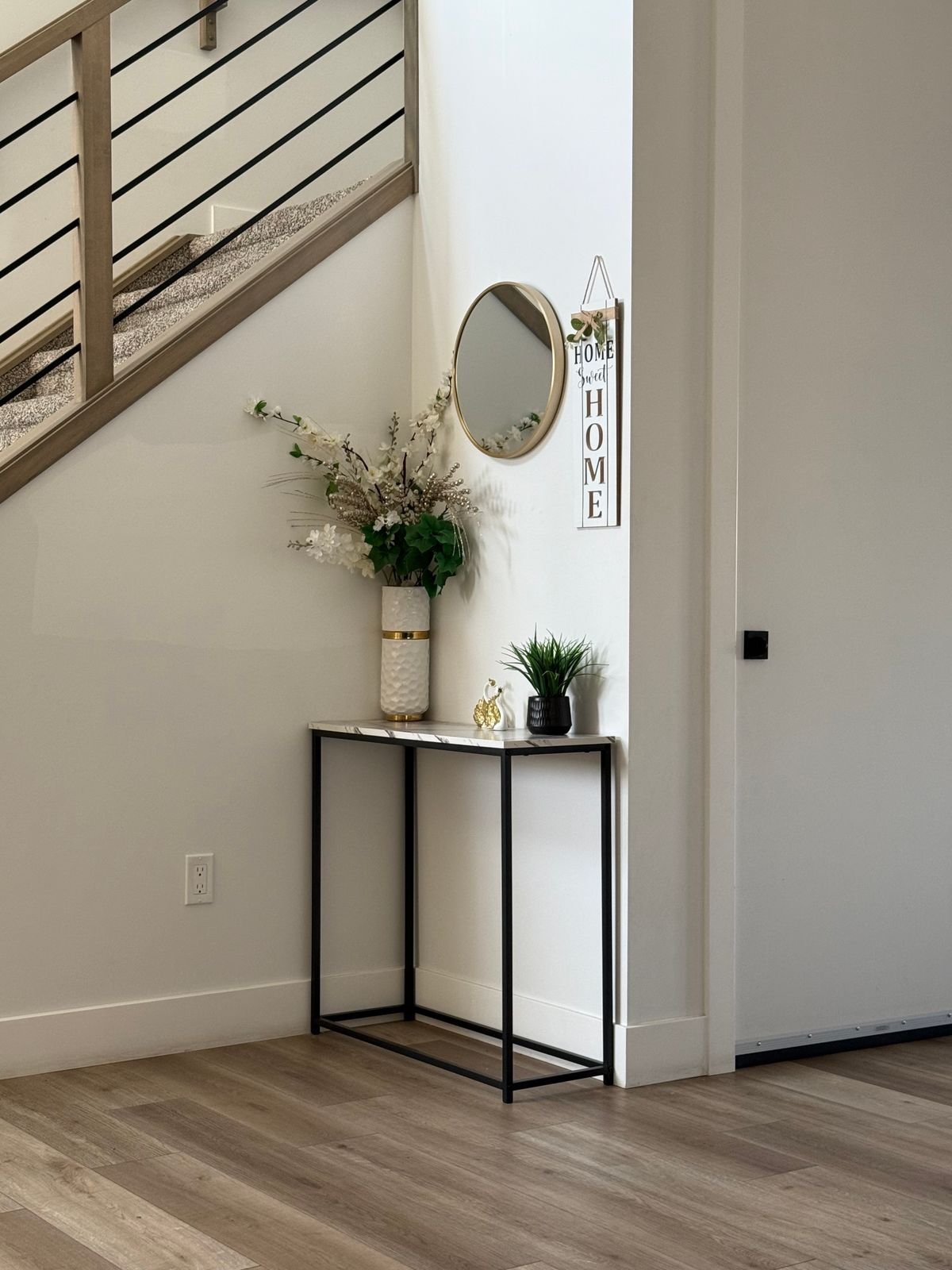
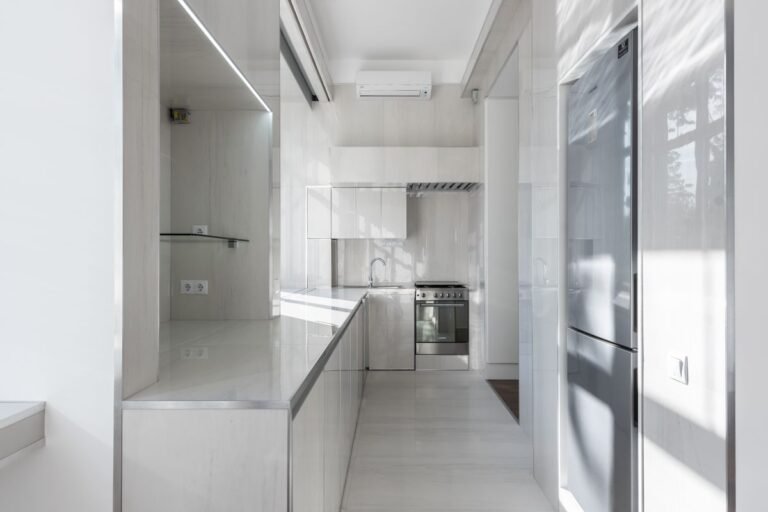
New knobs and pulls are the cheapest kitchen and bathroom upgrade that exists. A pack of ten brushed brass or matte black handles costs less than a pizza and takes one screwdriver and twenty minutes. The cabinets themselves stay exactly the same, but the eye reads the new finish as a new kitchen. Measure the distance between the screw holes on your current pulls before ordering, because that one measurement decides whether the swap is ten minutes or a return trip.
Budget tip: Buy one extra handle beyond your count. If one ever loosens or gets damaged, you will not be hunting for a discontinued finish later.
2. Add one large mirror
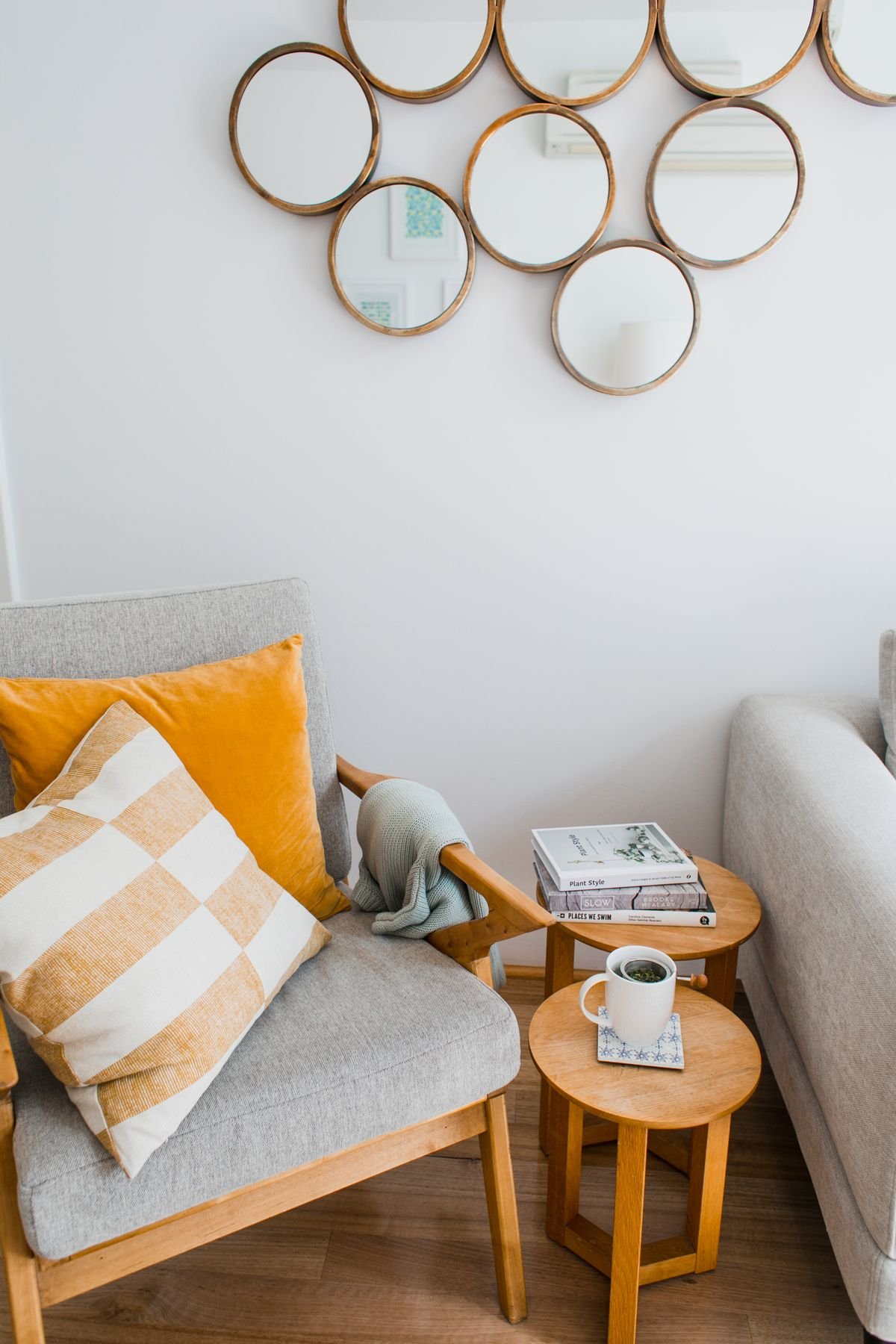
A big mirror does two jobs no other budget item can: it doubles the light in a room and makes the room read bigger. Lean it on a mantel, hang it opposite a window, or prop it in a dark hallway corner. Thrift stores and marketplace listings price large mirrors far below new ones because they are heavy to move, which is exactly why they are bargains. A dated frame is not a problem. One coat of black or gold paint makes it look like it came from a design store.
Budget tip: Check the mirror’s weight before buying secondhand. A mirror too heavy for your wall type is a bargain you cannot hang.
3. Layer lighting with thrifted lamps
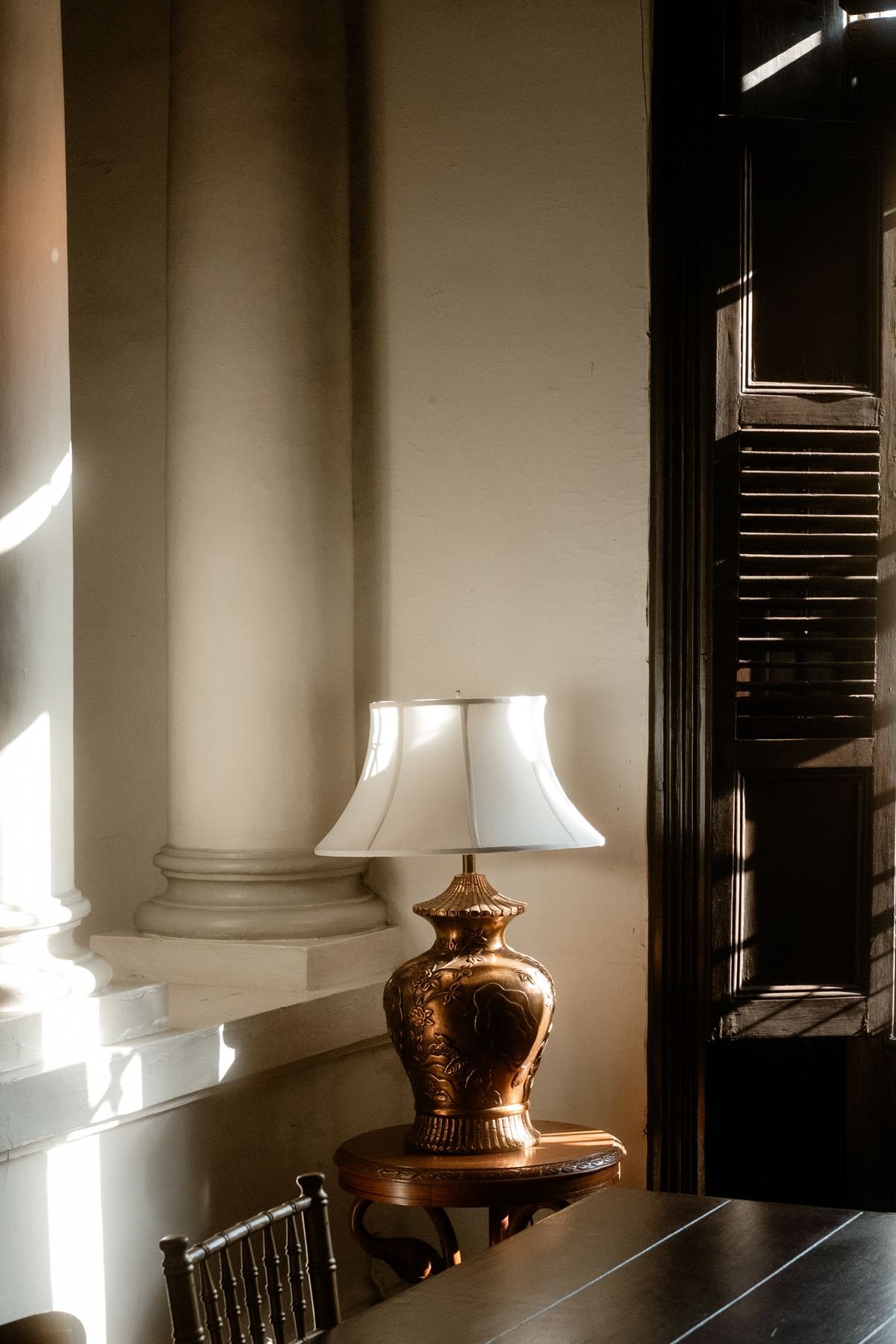
One ceiling light makes every room look flat and a little sad. Two or three lamps at different heights make the same room look furnished. Thrift stores sell solid, heavy lamps for a few dollars because the shades are ugly, and shades are the cheap part to replace. Put a lamp on each side of the sofa or bed in pairs when you can, and use warm-white bulbs everywhere so the light feels like evening, not an office.
Budget tip: Buy lamps in pairs at estate sales and thrift shops. A matched pair reads as a deliberate design choice, even at $6 each.
4. Frame printable art in thrifted frames
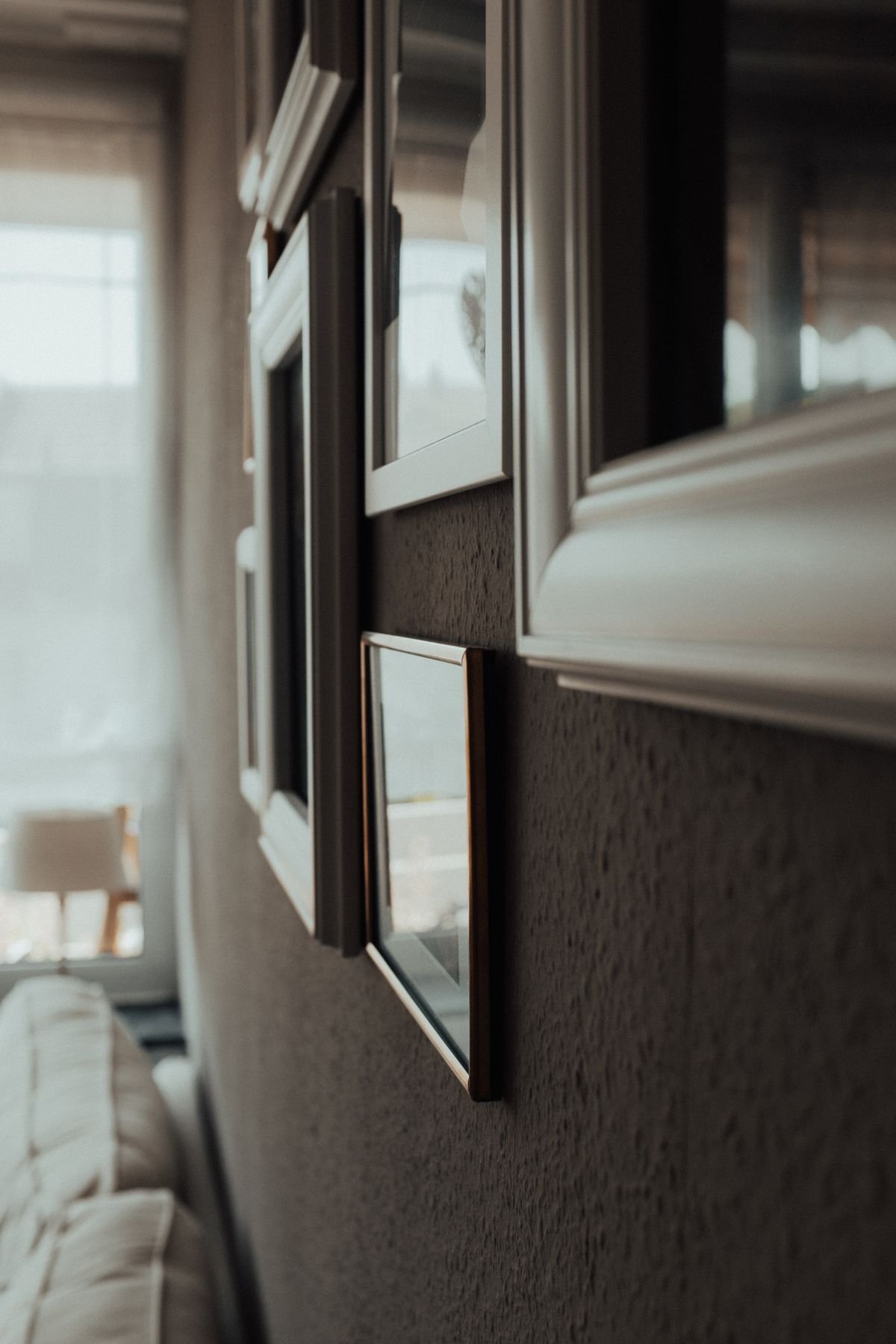
Good art is expensive. Good frames at thrift stores are not. Buy the largest, heaviest frames you can find for a few dollars each, ignore the art inside them, and fill them with printable downloads or pages from an old art book. A $4 frame with a $3 print looks like a $60 piece once it is on the wall, especially in a group of three or more. Keep the prints in one color family so the wall feels curated, not random.
Budget tip: Spray all your mismatched thrifted frames the same color before hanging. One finish turns a yard-sale collection into a matched set.
5. Style surfaces with trays
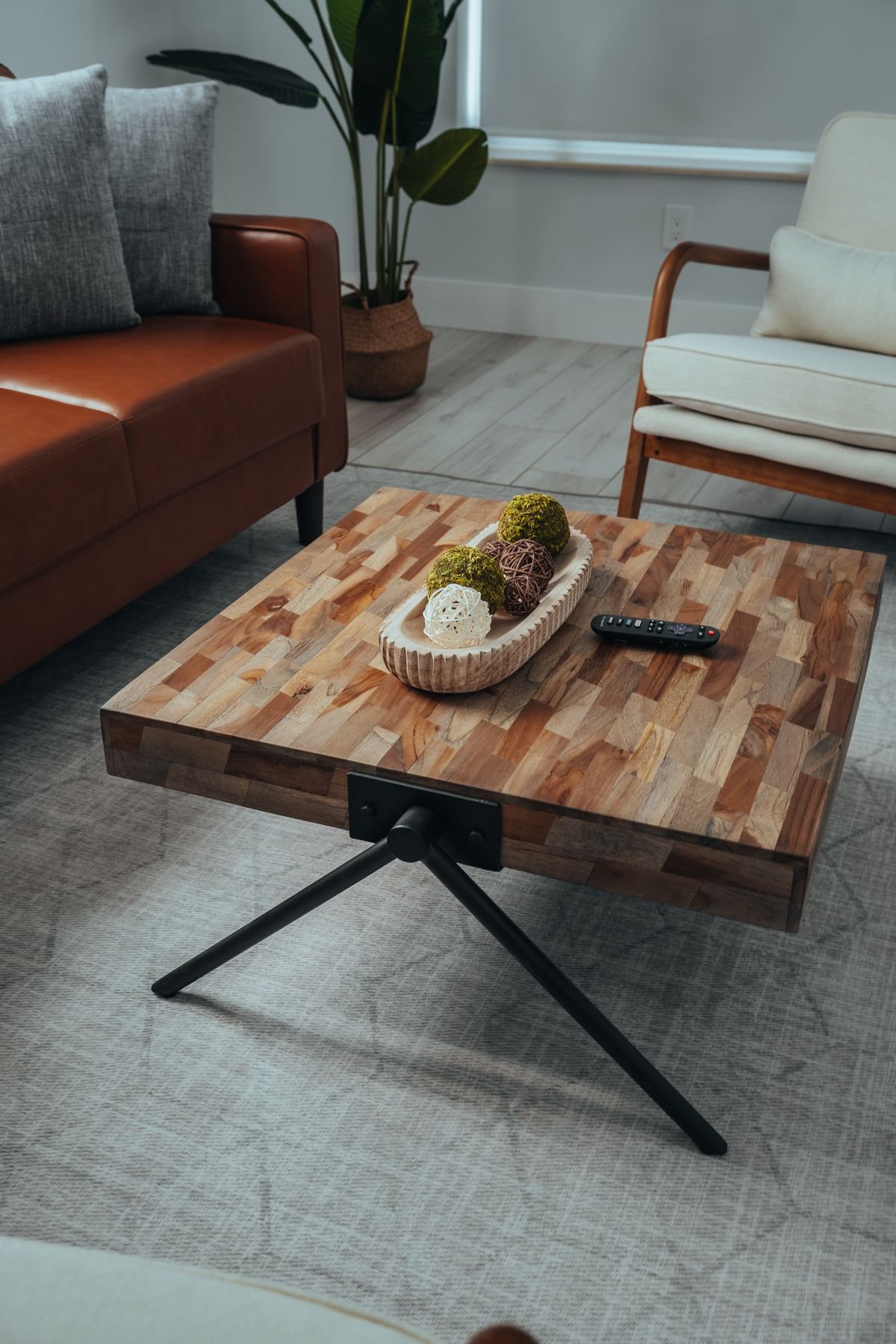
A tray turns scattered objects into a display. Put one on the coffee table for the remote, a candle and a small plant, one by the door for keys and mail, and one in the bathroom for the bottles that otherwise line the sink. Flat surfaces look messy because items spread. A tray gives them a border, and a border reads as intention. Wooden, woven or metal trays all work, and thrift stores stock them constantly.
Budget tip: A rimmed baking sheet or a picture frame with the glass left in works as a tray in a pinch. Paint it if it needs to match.
6. Hide clutter in baskets
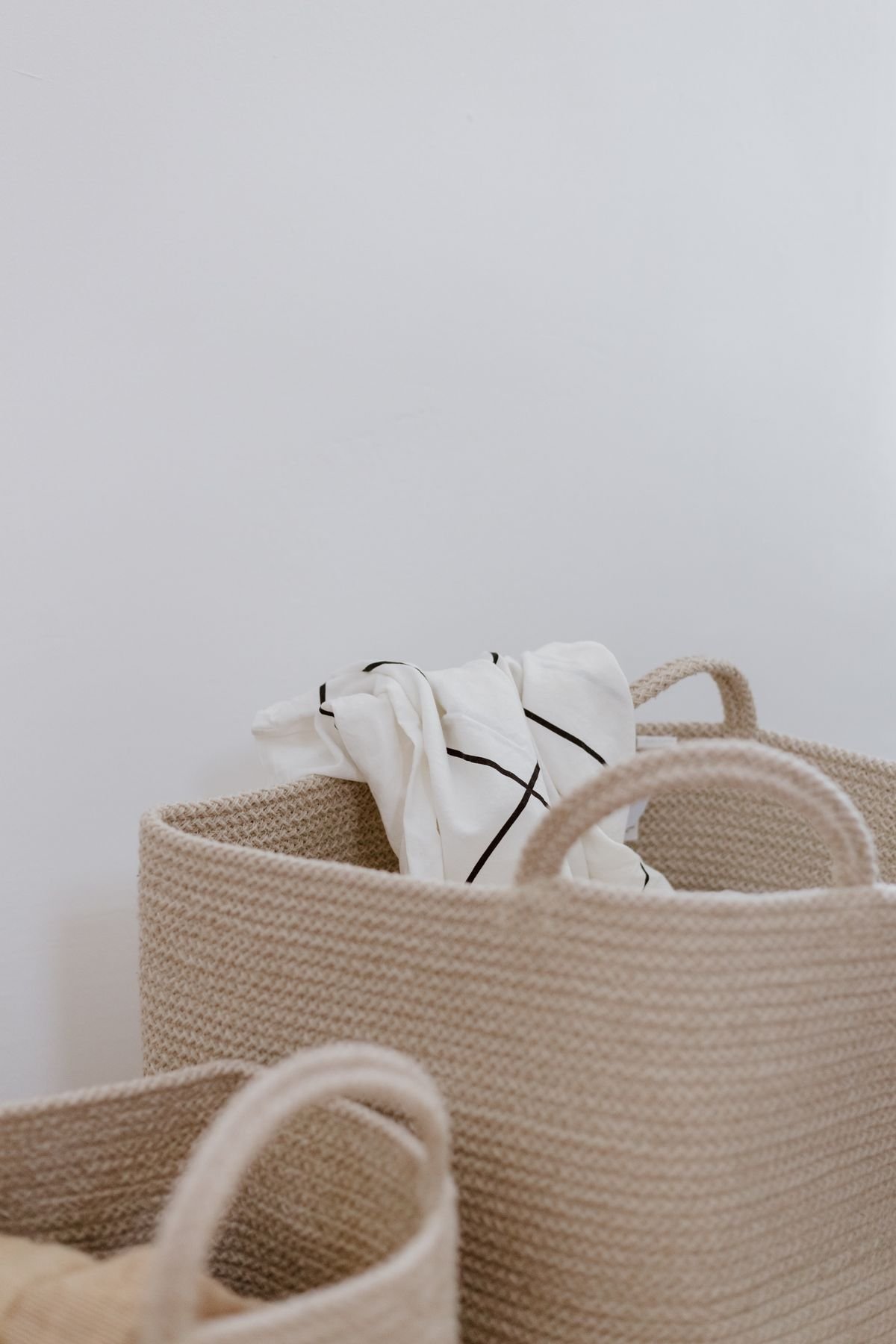
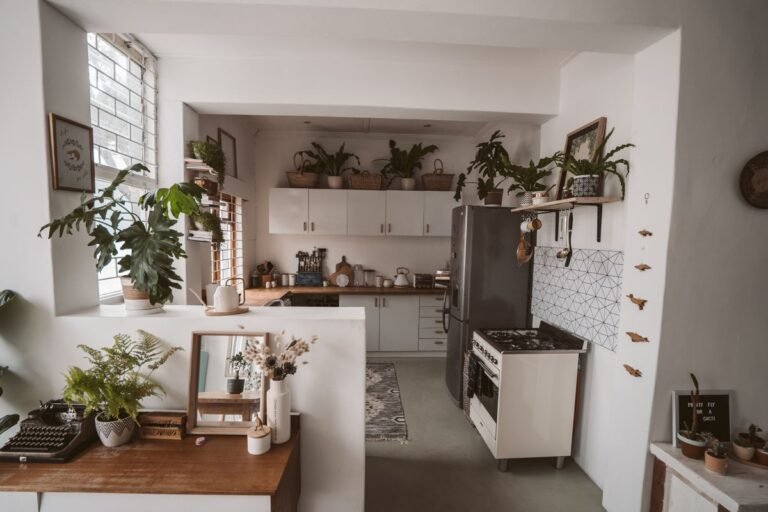
Every home has a category of stuff that looks messy no matter where it sits: remotes, chargers, dog toys, blankets, kids’ clutter. A lidded or high-sided basket swallows a whole category and looks like decor while doing it. Match the baskets room by room, baskets by the sofa for throws, one in the bathroom for spare towels, one by the door for shoes. The room does not get tidier. It just looks that way, which for guests amounts to the same thing.
Budget tip: Dollar stores and thrift shops price baskets at a fraction of home-store prices. Check the weave is tight so small items do not poke through.
7. Paint one thrifted furniture piece

This is the idea guests ask about. A solid wood dresser, side table or bookshelf from a thrift store, painted one rich color, becomes the piece everyone assumes was expensive. Deep green, navy and warm black are the forgiving colors that make old furniture look designed. Clean the piece, sand lightly, use a paint with primer built in, and swap the hardware while you are at it. One weekend project, usually under $25 total if the piece itself was cheap.
Budget tip: Paint the sides and top carefully and the back not at all. Nobody sees the back against a wall, and you save a third of the paint.
8. Put a plant in every room
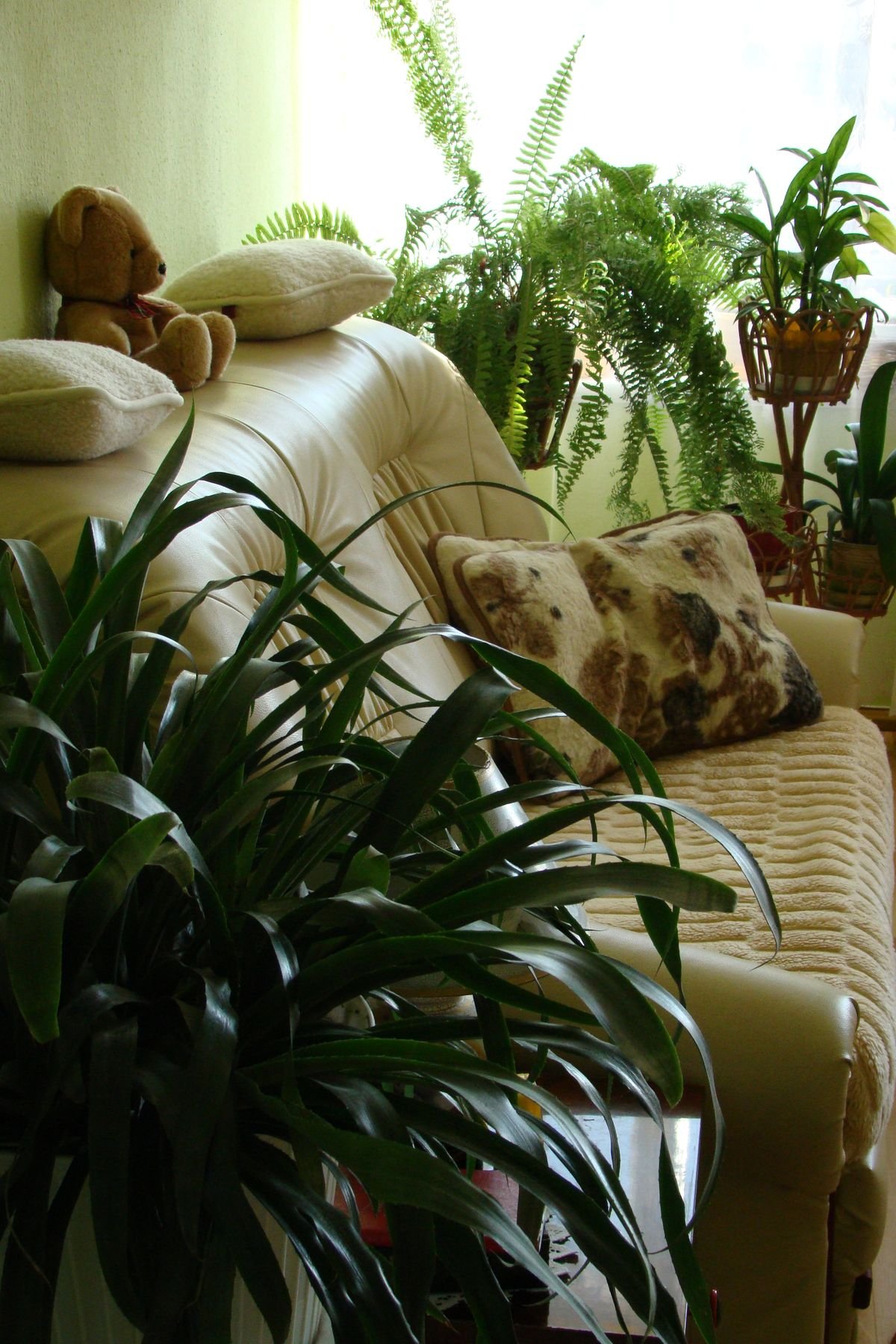
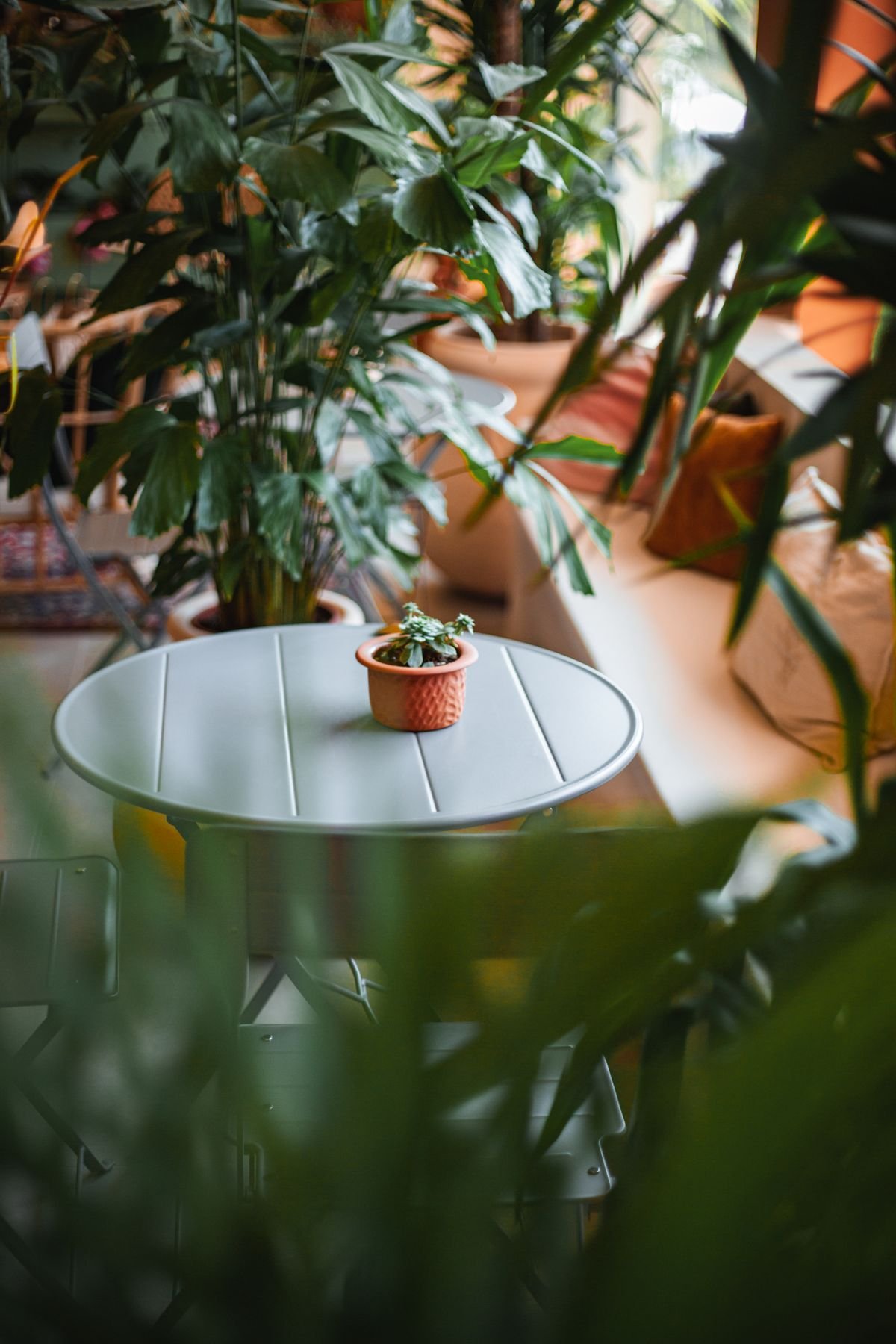
Plants are the difference between a room that is furnished and a room that feels alive. One plant per room is enough: a trailing pothos on a shelf, a snake plant in a corner, a small herb pot in the kitchen window. If your light is poor or your watering record is tragic, good faux plants have become genuinely convincing, especially the trailing kind placed up high where nobody inspects them. Put every plant in a real pot, never the plastic nursery pot it came in.
Budget tip: Propagate one pothos into many. Cuttings root in water for free, and within a season one $5 plant becomes five.
9. Hang curtains high and wide
Curtains hung just above the window frame make ceilings look low and windows look small. Hung a few inches below the ceiling and wider than the frame, the same curtains make the whole wall look taller. The curtains themselves can be the cheapest linen-look panels you can find. It is the placement, not the fabric, that does the work. Let them just touch the floor or hover half an inch above it, never the awkward ankle length in between.
Budget tip: Two cheap panels per side look fuller than one expensive panel. Fullness reads as luxury more than fabric quality does.
10. Refresh cushions and throws
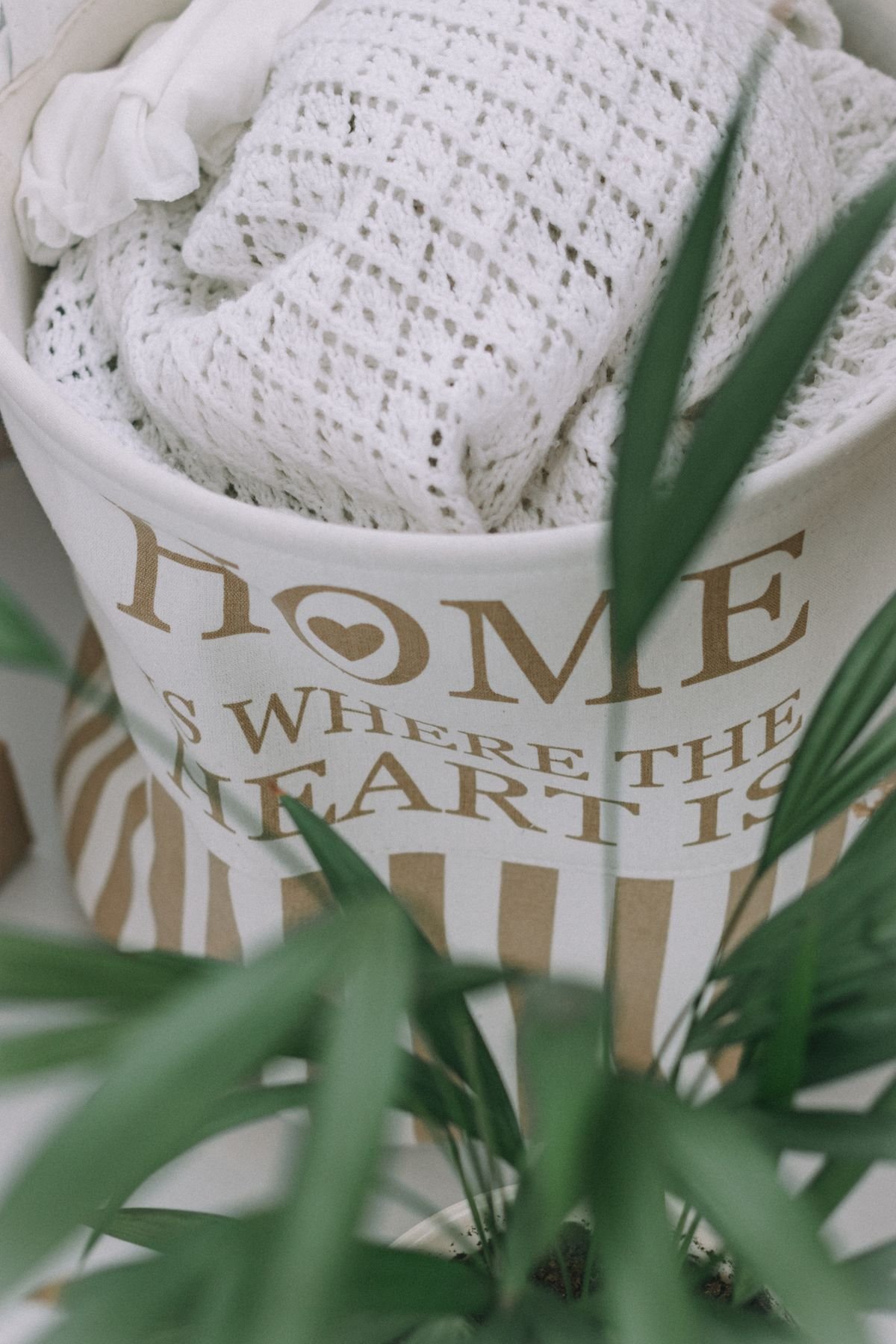
A sofa you cannot replace can still look new in ten minutes. New cushion covers in one repeated color palette, plus one textured throw, change the entire seat. Covers cost a third of new cushions and wash easily, which matters with kids and pets. Mix one solid, one subtle pattern and one texture like knit or boucle, all inside the same two or three colors, and the sofa looks styled rather than matched from a set.
Budget tip: Buy covers one size smaller than your inserts. A snug fill looks plump and expensive; a loose cover looks tired.
11. Style open shelves with matching jars

Open kitchen shelves and pantry shelves look chaotic because every product shouts in different packaging. Decant the daily basics, flour, pasta, rice, coffee, into matching glass or ceramic jars and the shelf calms down instantly. Dollar stores and thrift shops are the budget source for jars. Keep labels off or use one simple label style for everything, and group jars by height with the tallest at the back.
Budget tip: Save matching jars from products you already buy. A shelf of identical pasta-sauce jars with the labels soaked off looks bought as a set.
12. Anchor the living room with a rug

A rug that is too small makes a living room look like the furniture is drifting apart. The front legs of the sofa and chairs should sit on the rug, which usually means going one size bigger than feels safe. Budget rugs in flatweave or low pile hide wear and are easier to clean. Choose a pattern if your household is hard on floors, plain light rugs show every crumb and paw print within a day.
Budget tip: A rug pad under a thin budget rug stops it curling and makes it feel twice as thick underfoot.
13. Decorate with stacked books
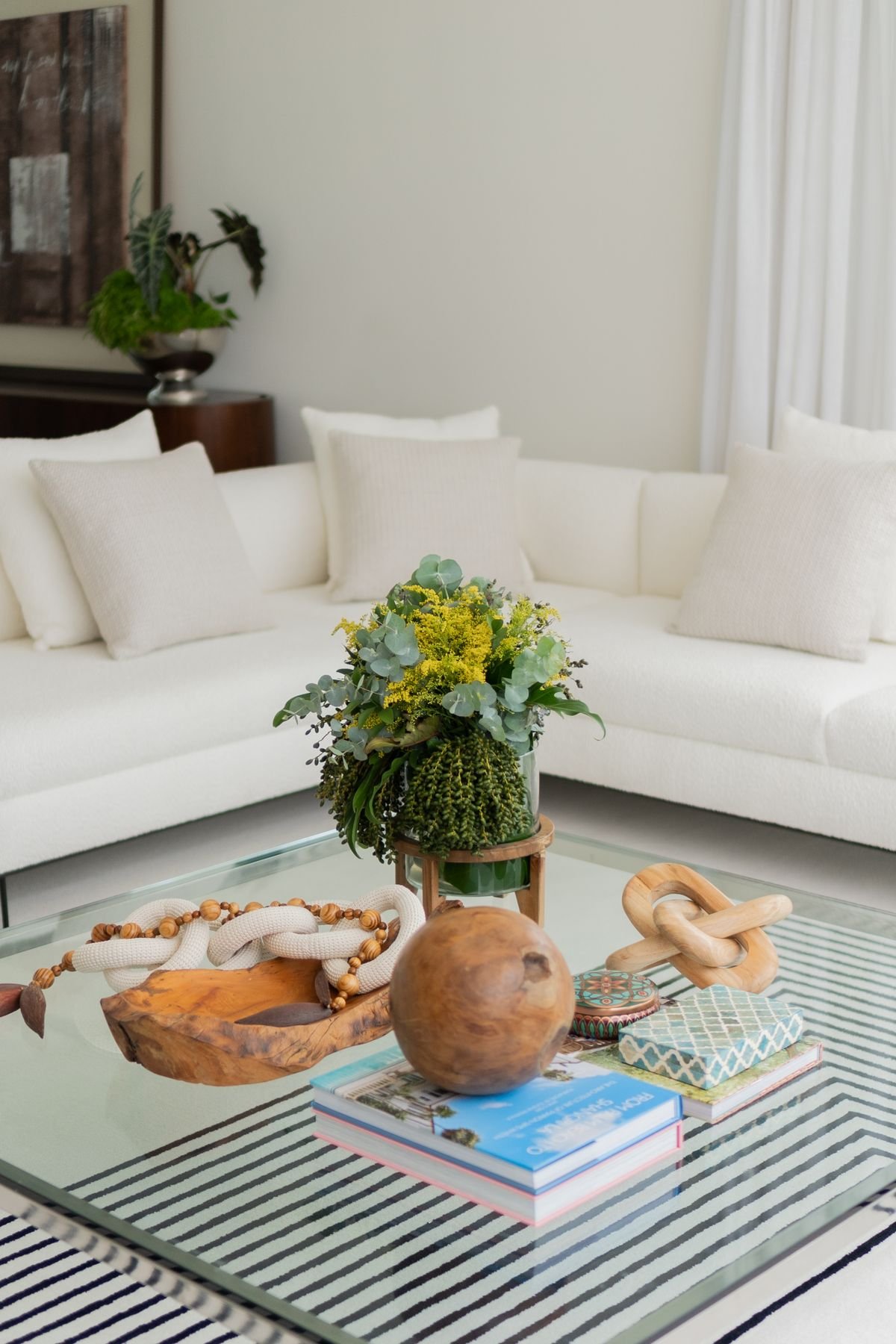
Hardcover books are free decor hiding on your own shelves. Stack two or three flat on a coffee table or mantel, top the stack with a small object, a candle, a tiny plant, a pair of glasses, and you have the styled vignette every decor photo uses. Remove torn dust jackets and let the cloth covers show. Group books by cover color on shelves, with some stacks lying flat, to calm a busy bookcase without buying anything.
Budget tip: Thrift stores sell beautiful old hardcovers for a dollar. Buy for cover color and size, the reading is a bonus.
14. Group candles in threes
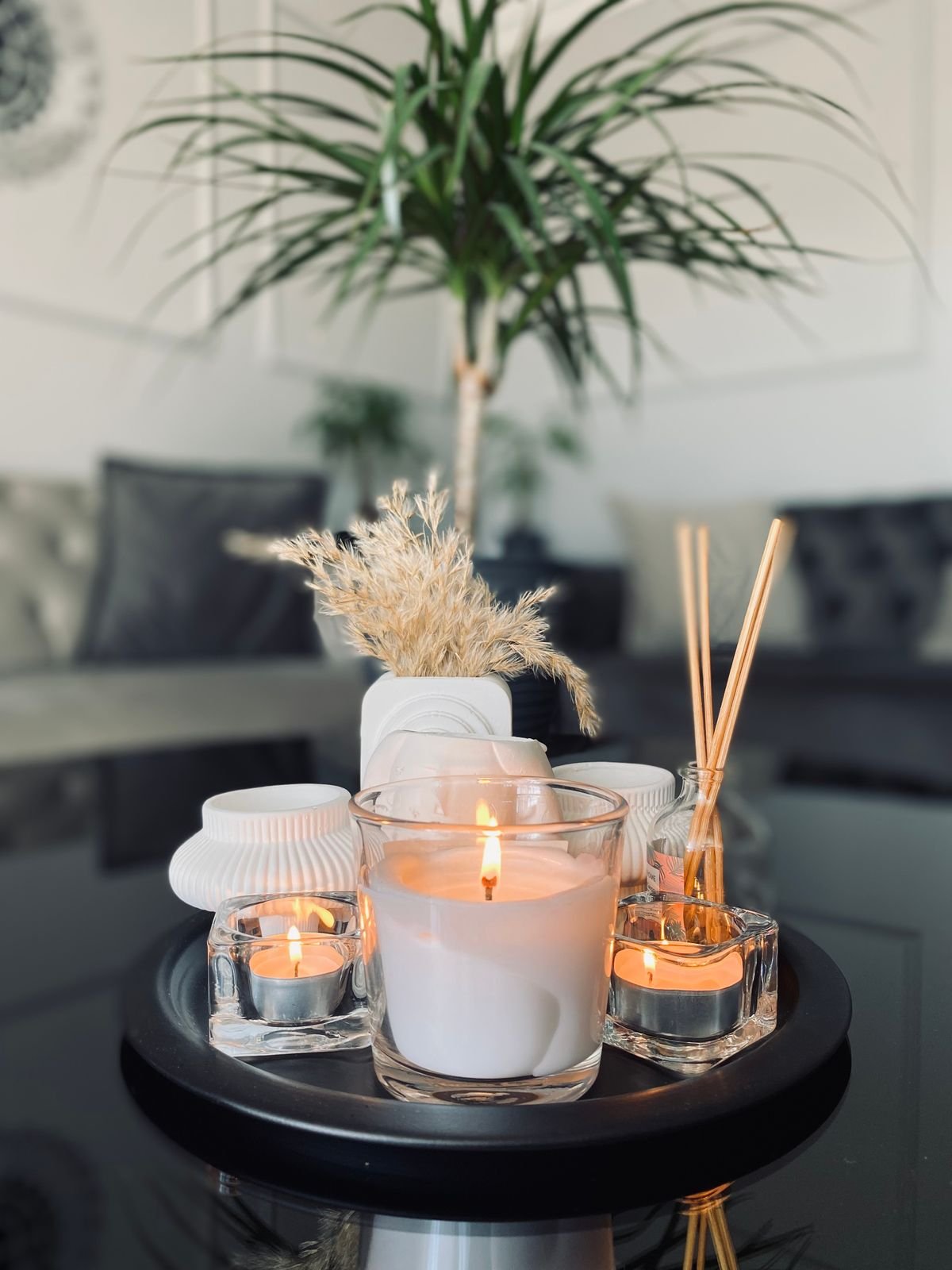
One candle looks like an afterthought. Three candles of different heights look like a plan. Group pillar candles on a tray, a mantel or a bathroom counter, always in odd numbers and always with something under them to catch wax. Warm candlelight at night does what lamps do for a room, at a tenth of the cost. If open flames worry you, battery candles with timers have become convincing and they glow on schedule every evening.
Budget tip: Buy plain unscented pillars in bulk and one good scented candle for the entry. Guests smell the entry and just see calm everywhere else.
15. Build an entryway drop zone
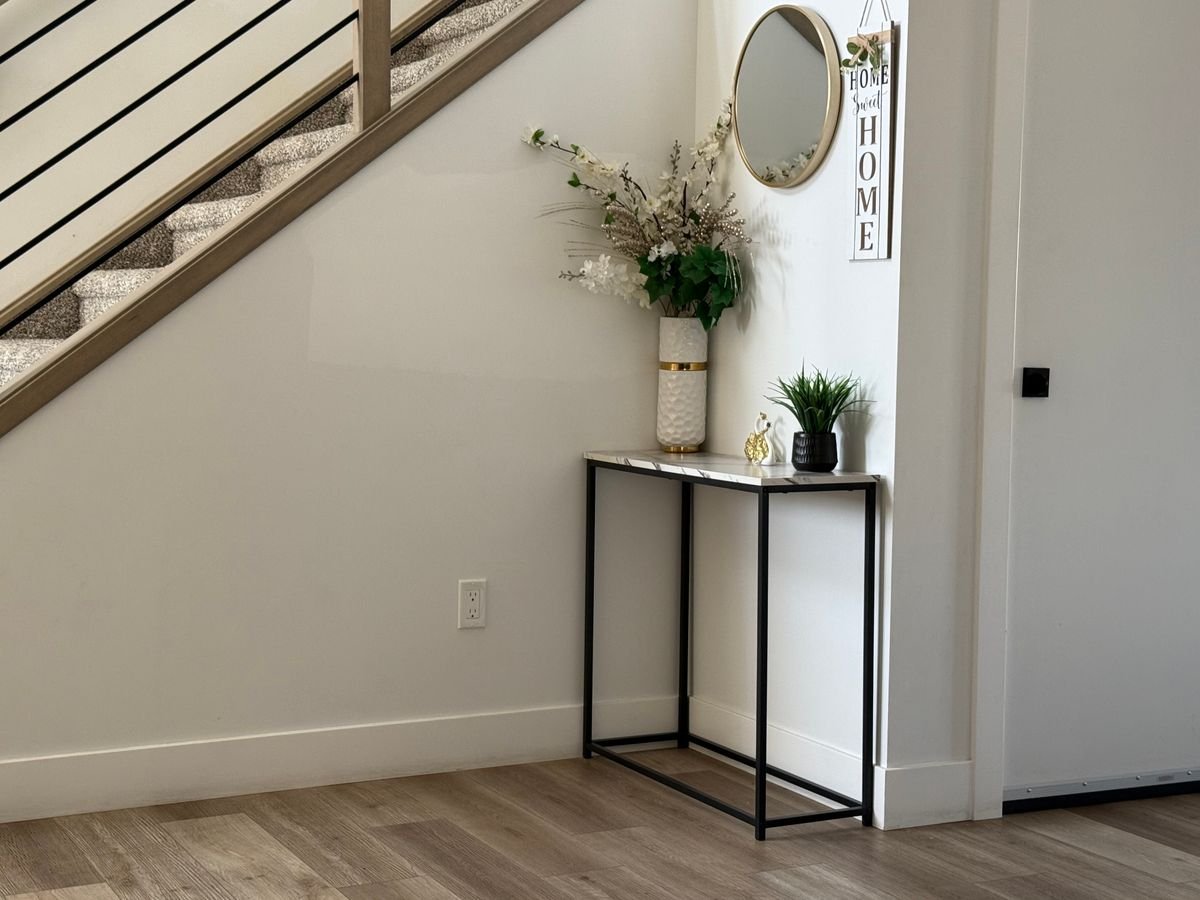
The entry is the first room a guest reads and the first place clutter lands. A small bench or chair, a row of hooks and one basket create a drop zone that catches keys, bags and shoes in one tidy spot. Even a narrow hallway fits a slim console or a wall shelf with hooks under it. Add a small mirror or framed print above it and the spot looks decorated instead of purely practical.
Budget tip: A thrifted wooden chair plus two hooks is a complete drop zone for under $15. It does not need to be a matched set.
16. Go all-white on bedding, add one accent color
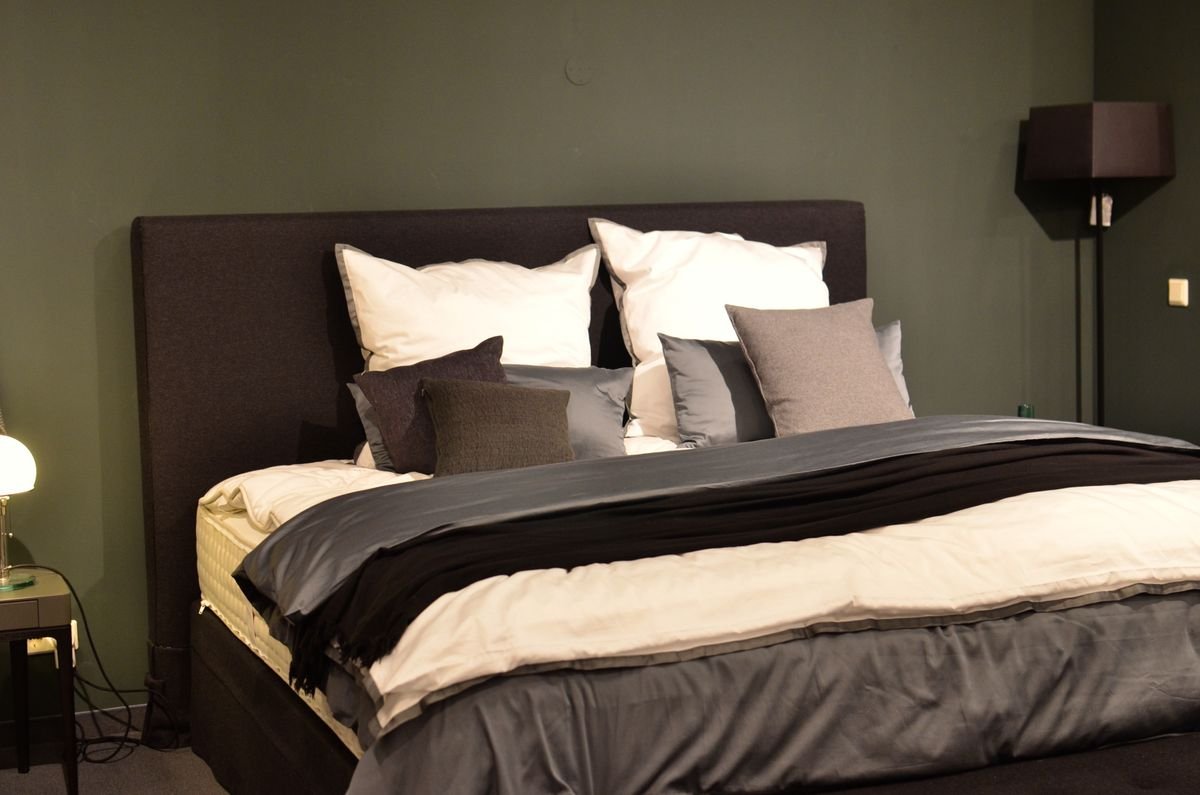
Hotel beds look expensive for one reason: the bedding is all white, so it always looks clean and calm. White bedding is also the budget choice, because every store’s basic range comes in white and mismatched sets disappear. Add exactly one accent color in a throw and two cushion covers, rust, sage or navy all work, and the bed looks styled. White also bleaches and washes hot, so it stays looking new longer than colors that fade unevenly.
Budget tip: Buy the white duvet cover in the best fabric you can afford and the accent pieces cheap. The eye touches the throw and reads the whole bed as quality.
17. Add a picture ledge for rotating art
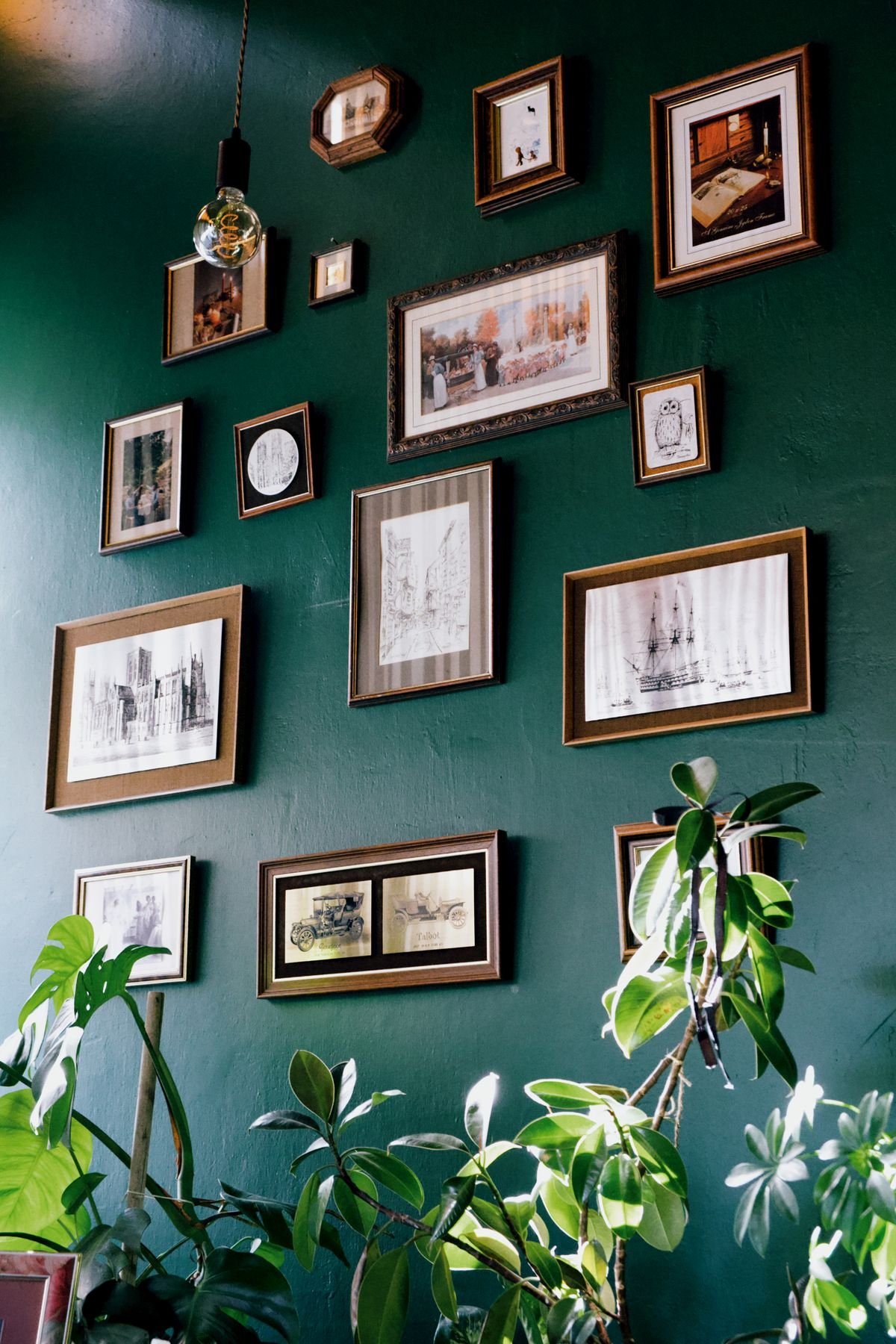
A picture ledge is a shallow shelf that holds frames leaning in a row, so you can swap art, photos and even plates whenever you like with no new holes. One ledge above a sofa or along a hallway gives you a gallery that changes with the seasons. Ready-made ledges are inexpensive, and a handy household can make one from two boards. Lean big frames at the back, small ones in front, and overlap them slightly for the collected look.
Budget tip: Start with one ledge and frames you already own. The ledge makes orphaned frames from all over the house look like a set.
18. Repeat one metal finish everywhere
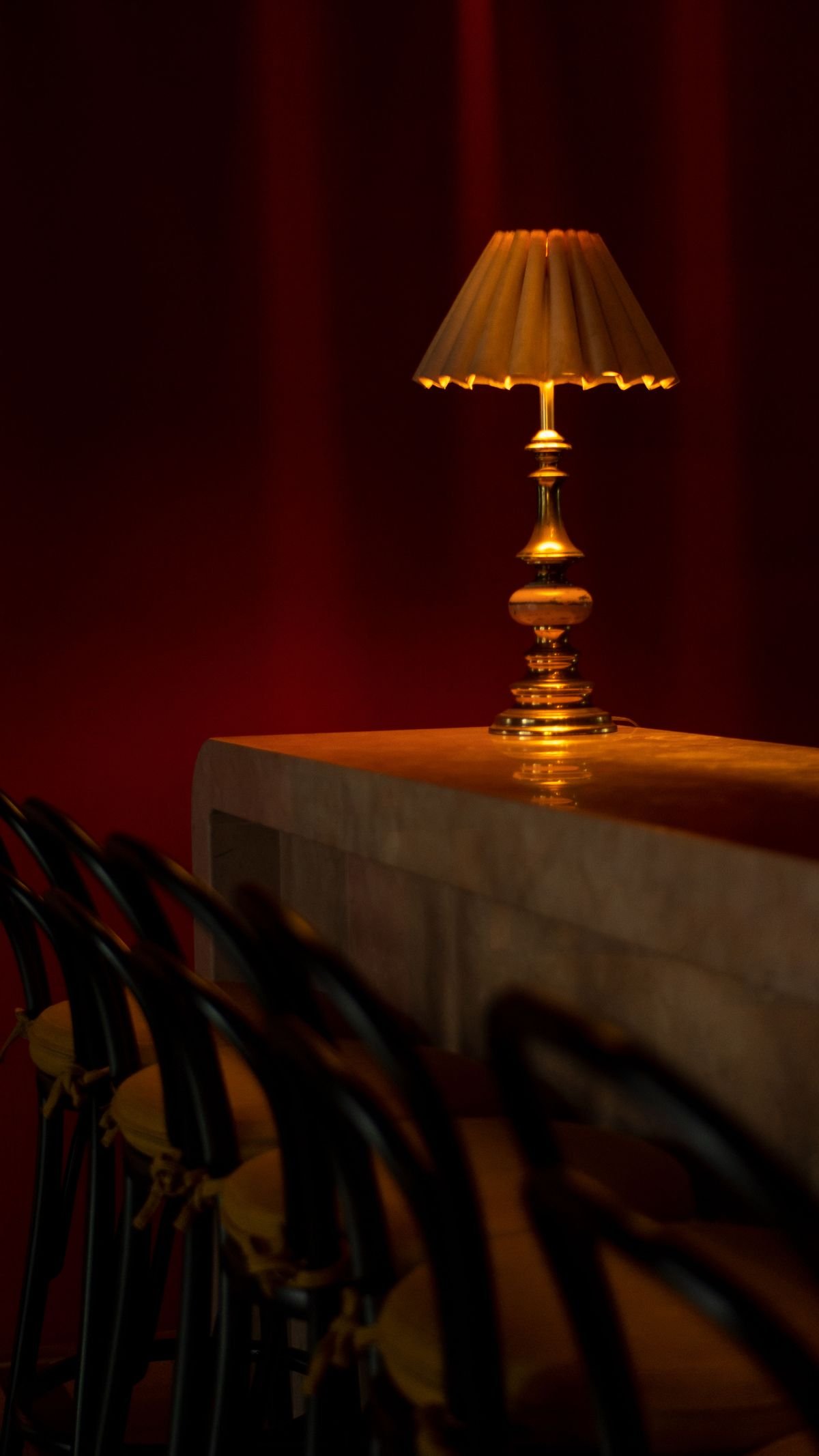
The quietest trick on this list: pick one metal, brushed brass, matte black or chrome, and repeat it in the small things, cabinet pulls, lamp bases, frames, curtain rods, the tray on the table. Rooms look expensive when the details agree with each other, and they look pieced together when every finish is different. You do not replace everything at once. Each small purchase from now on just has to match the chosen finish, and the house slowly comes into focus.
Budget tip: Spray paint unifies finishes for almost nothing. Mismatched frames, knobs and candle holders in one metallic paint color become a matching set in an afternoon.
Mistakes to Avoid
- Buying decor before deciding the palette. Random pretty objects in random colors are why budget rooms still look random. Choose two or three colors and one metal first, then let every purchase answer to them.
- Spending on many tiny things instead of one big thing. Ten small $5 decorations disappear. One $40 mirror, rug or painted dresser changes the room. Small budgets need anchors, not confetti.
- Copying a photo exactly. A styled photo uses light, scale and editing you do not have. Steal the idea, the tray, the grouping of three, the color, and fit it to your room instead.
- Forgetting the free fixes. Rearranging furniture, swapping lamps between rooms and shopping your own shelves costs nothing and often beats a shopping trip.
Frequently Asked Questions
What is the cheapest decor change that makes the biggest difference?
Lighting and curtains, in that order. Lamps at different heights change how a room feels every single evening, and curtains hung high and wide change its proportions all day. Both are one-time purchases that cost less than most people spend on small decorative objects in a year.
How do I decorate on a budget without the home looking cheap?
Spend on scale and texture, save on objects. One large item (mirror, rug, art) looks expensive, many small items look cluttered. Natural textures, baskets, wood, linen-look fabrics, plants, read as quality at any price, while shiny plastic finishes give a budget away.
What should I buy first with a $50 budget?
A large thrifted mirror if you can find one, then a pair of lamps, then cushion covers for the sofa. Those three cover light, reflection and the biggest piece of furniture in the room, which is where every guest’s eye goes first.
Is thrift store decor worth it, or should I save for new?
For solid things, wood furniture, mirrors, lamps, frames, baskets, thrifted beats new at the same price almost every time, because you are buying older, heavier materials. Save new purchases for soft things you wash, like bedding and cushion covers.
How do I make rentals and small spaces work with these ideas?
Every idea here is reversible or portable. Mirrors lean, lamps plug in, baskets and trays move with you, and painted furniture is yours to take. Small spaces benefit most from the mirror, the high curtains and the one-metal rule, because agreement between details makes a small room feel calm instead of crowded.
Want to keep going? These cozy living room ideas pair well with everything on this list, and if your place is rented, these rental-friendly decor ideas that don’t damage walls are the perfect follow-up.
Your Move
Do not try all 18 this weekend. Pick the one room guests see first, choose two ideas from the list, the mirror and the lamps are the strongest pair, and stop when those two are done. A home gets beautiful two finished ideas at a time, not eighteen started ones.
Save this list to our Pinterest board at @dwellonbudget so it is there on your next thrift store run, and tell us which idea you are starting with.


6 Comments