How Much Does a Kitchen Remodel Cost? A Realistic Budget Breakdown
When we started planning our kitchen remodel, I did what everyone does: I searched for one number. I wanted someone to tell me, plainly, what a kitchen costs. Instead I found quotes that ranged from the price of a used car to the price of a small house, and every contractor I called gave me a different answer for the exact same room.
The truth I learned the slow way is that there is no single price, but there is a pattern. Once you understand which level of remodel you are actually planning, and where the money inside that level tends to go, the numbers stop feeling random. A cosmetic refresh and a full gut renovation are both called a kitchen remodel, yet they belong to completely different budgets.
So this guide does the thing I wished someone had done for me. It gives you realistic ranges for each level, walks through two of the most searched kitchen sizes, breaks the budget down piece by piece, covers how long the work usually takes, and finishes with the cuts that save real money without making the finished kitchen look cheap. Every figure is an approximate US range, because your region, your home and your choices will move the total up or down.
The Short Answer

For most US homeowners, a kitchen remodel lands somewhere between about $5,000 and $75,000 or more, and the wide spread comes down to how much you change. Industry cost guides and contractor surveys tend to group projects into three levels, and it helps to decide which level you are in before you price anything else.
A minor remodel, roughly $5,000 to $15,000, is a cosmetic update that keeps the existing layout and most of the bones. Think painting or refacing cabinets instead of replacing them, a new laminate or butcher block countertop, a fresh backsplash, updated hardware and lighting, and appliances that stay or get replaced one at a time with standard models. Nothing moves, no walls come down, and the plumbing and electrical stay where they are.
A midrange remodel, roughly $15,000 to $50,000, is where most full kitchen updates sit. This level usually includes new stock or semi custom cabinets, stone or quartz countertops, a new sink and faucet, updated flooring, and a matched set of midrange appliances. The layout mostly stays, though a peninsula or a moved appliance sometimes sneaks in.
A major remodel, roughly $50,000 and up, often reaching $75,000 to $130,000 or more in high cost areas, means a new layout, custom cabinets, premium countertops and appliances, and possibly structural changes like removing a wall. Once plumbing lines, gas lines and electrical panels start moving, labor climbs fast and so does the total.
Two honest warnings before you fall in love with any number. First, regional labor rates matter enormously: the same midrange kitchen can cost noticeably less in the Midwest than on either coast. Second, these ranges describe typical projects, not quotes. Your number comes from your kitchen, your materials and your contractor, so treat every range here as a planning tool rather than a promise.
What a 10×10 and 12×12 Kitchen Costs

Contractors often price kitchens by size as a rough starting point, and two sizes come up again and again in searches: the 10×10 and the 12×12. A 10×10 kitchen is 100 square feet, usually a compact room with cabinets along two walls. A 12×12 is 144 square feet, which allows a longer cabinet run, a small island or a breakfast corner in many layouts.
For a 10×10 kitchen, a minor cosmetic refresh often falls around $5,000 to $12,000, a midrange remodel around $15,000 to $35,000, and a major renovation around $40,000 to $75,000 or more. The smaller footprint helps because you are buying fewer cabinets, less countertop and less flooring, which are three of the biggest line items in any kitchen.
For a 12×12 kitchen, expect the same levels to run higher: roughly $8,000 to $15,000 for a minor update, about $20,000 to $50,000 for a midrange remodel, and $50,000 to $100,000 or more for a major one. That jump is not a contractor trick. More square feet simply means more of everything, and labor hours grow along with the material bill.
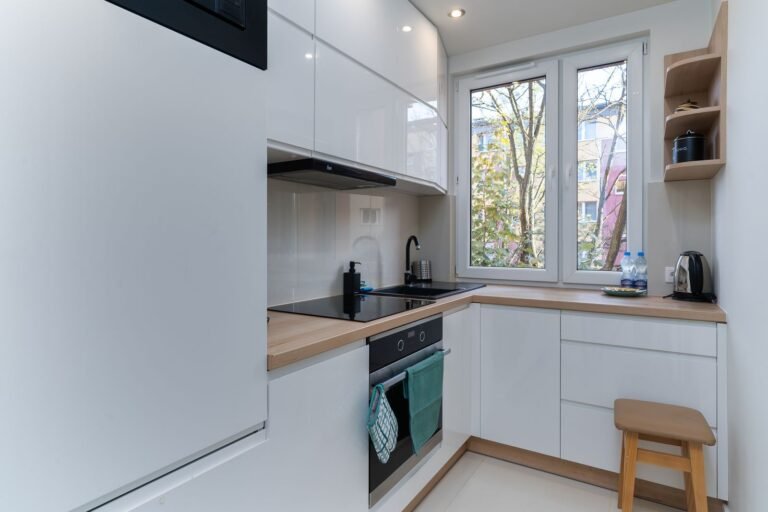
Use these size examples the way contractors do, as a first estimate that gets refined once you choose cabinets, countertops and appliances. If your kitchen is smaller than both, like many apartment and starter home kitchens, your costs can land below these ranges, especially when the layout stays exactly as it is.
Where the Money Goes
A kitchen budget is not one big number. It is a stack of smaller decisions, and knowing the usual share of each piece tells you where a splurge hurts and where a saving barely registers. Percentages vary by project, but the pattern below shows up in most midrange remodels.
Cabinets

Cabinets are usually the single largest cost in a kitchen remodel, often taking roughly 25 to 35 percent of the total budget. Stock cabinets from a home center sit at the low end, semi custom cabinets land in the middle, and fully custom work can double or triple the cabinet line on its own. In dollar terms, cabinets for a typical midrange kitchen often run about $4,000 to $15,000 or more before installation.
Money saving note: if your cabinet boxes are solid and the layout works, refacing or painting keeps the most expensive item in the room and replaces only the doors, drawer fronts and hardware you actually see.
Countertops

Countertops commonly take about 10 to 15 percent of the budget. Laminate and butcher block are the budget friendly end, often a few hundred to a couple of thousand dollars installed, while granite and quartz for a typical kitchen often run about $2,000 to $5,000 or more, and marble or other premium stones climb higher. The price is driven by material, thickness, edge profile and how many cutouts the fabricator has to make.
Money saving note: a simpler edge profile and fewer seams cost less, and remnant slabs from a fabricator’s yard can cover a small kitchen for a fraction of full slab pricing.
Appliances

Appliances usually claim about 10 to 20 percent of the total. A standard matched set, range, refrigerator, dishwasher and microwave, often runs about $3,000 to $7,000, while professional style ranges and built in refrigeration can push the appliance line past $15,000 on their own. This is the category where brand names do the most damage to a budget.
Money saving note: last year’s models and package deals from a single brand often carry real discounts, and the performance difference for everyday cooking is usually small.
Flooring

Flooring typically accounts for about 5 to 10 percent of a remodel budget. Luxury vinyl plank and laminate often install for roughly $3 to $8 per square foot, ceramic and porcelain tile commonly land around $8 to $15 per square foot installed, and hardwood often runs about $10 to $20 per square foot installed, depending on the wood and the market.
Money saving note: floating floors that install over a sound existing floor can skip the cost of demolition and subfloor repair, which is where flooring budgets quietly swell.
Labor
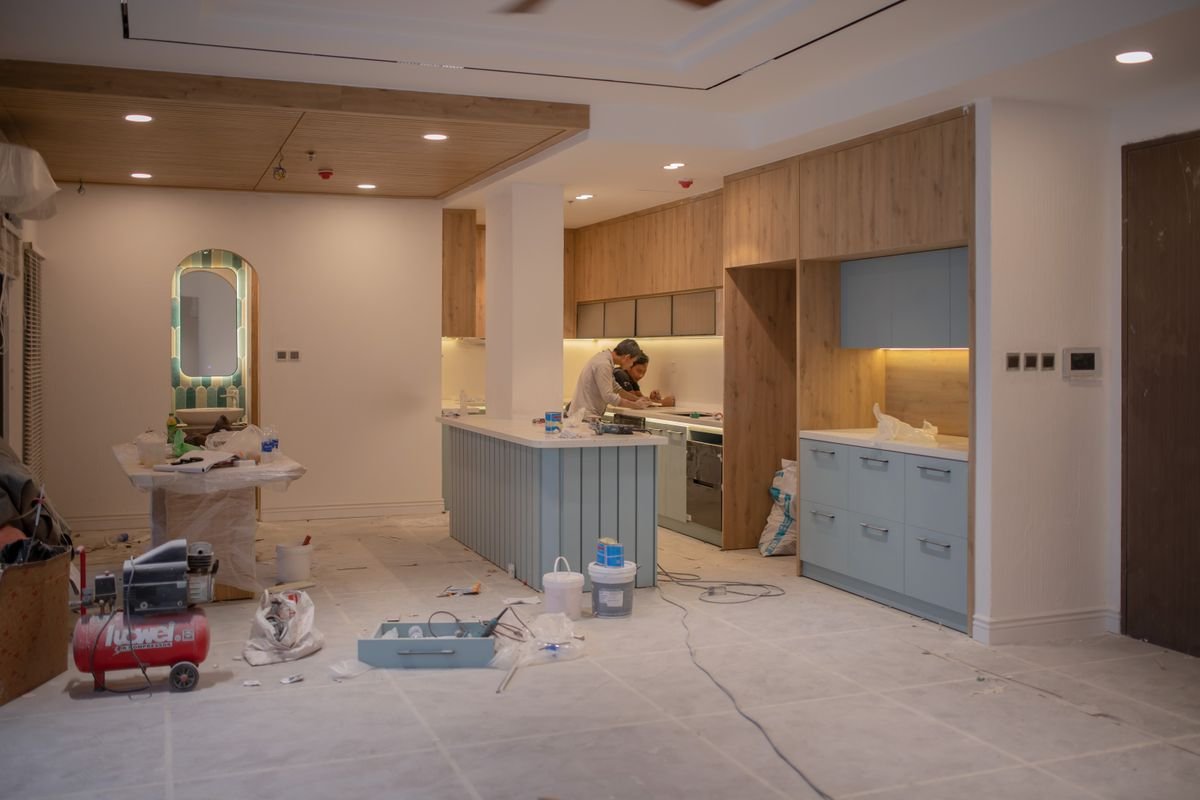
Labor is the line item homeowners underestimate most. Installation, carpentry, tiling, painting and project management together often make up about 20 to 35 percent of a midrange remodel, and the share grows whenever the layout changes. Skilled trades are priced by the day in most markets, so every extra week of work and every surprise behind a wall adds up.
Money saving note: the cheapest labor decision is keeping the layout. Every sink, stove and wall that stays in place is labor you do not have to buy twice, once to remove and once to rebuild.
Lighting and Plumbing/Electrical
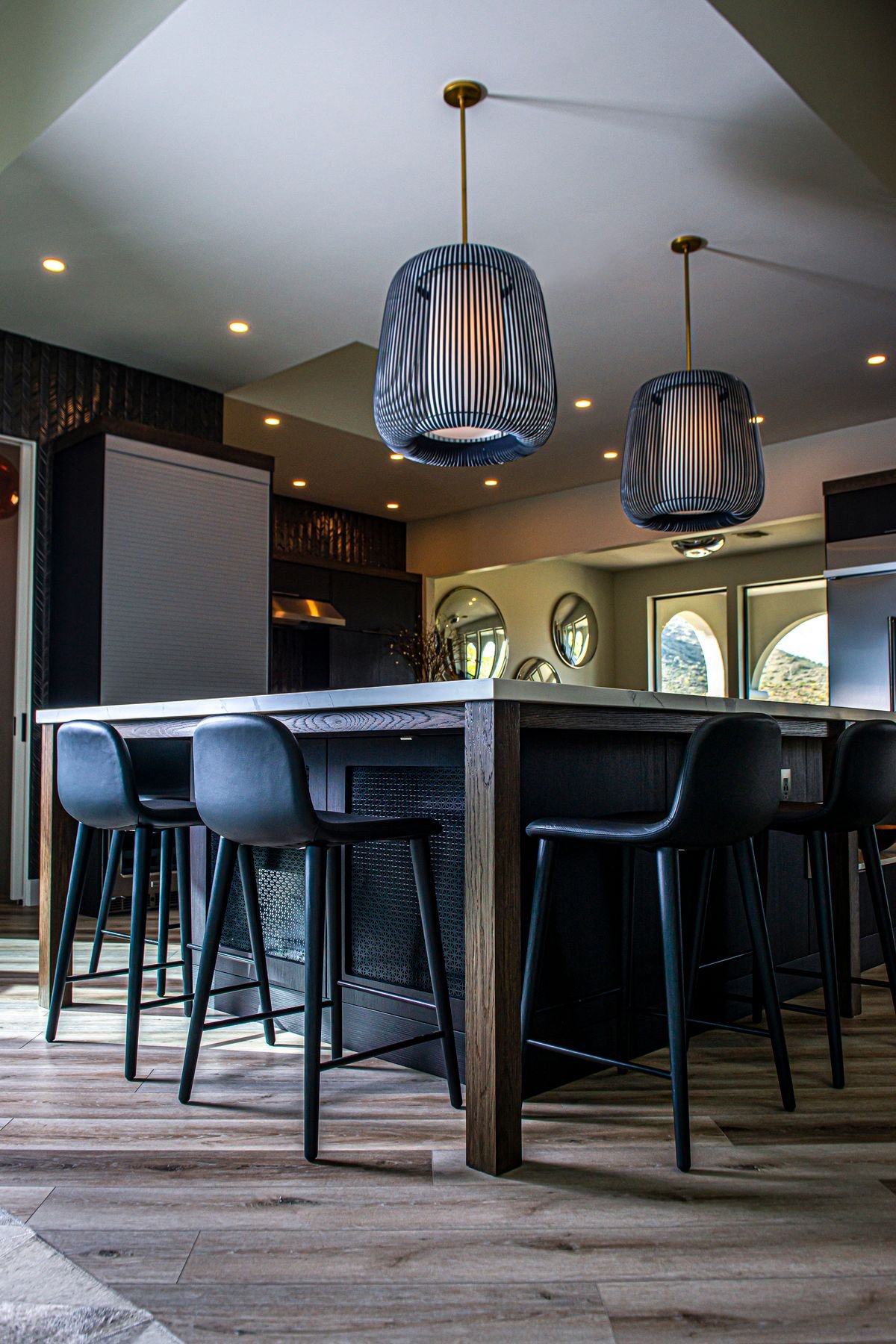
Lighting, plumbing and electrical work together usually take about 5 to 15 percent of the budget. Recessed lights, pendants and under cabinet lighting are relatively modest costs, but moving a sink, adding a gas line, relocating outlets or upgrading an electrical panel can each add hundreds to a few thousand dollars. Older homes are the wildcard here, because bringing wiring and plumbing up to current code sometimes becomes a project inside the project.
Money saving note: keep the sink and range on the same walls whenever you can, and put your lighting money into layered light, a ceiling fixture plus under cabinet strips, rather than one expensive statement piece.
How Long Does a Kitchen Remodel Take

The second question everyone asks, right after cost, is how long they will be washing dishes in the bathtub. For a typical midrange remodel, the honest answer is about 6 to 12 weeks of actual work, plus the planning and ordering time before anyone picks up a hammer. Minor cosmetic updates can finish in 1 to 3 weeks, while major renovations with structural changes often run 3 to 5 months.
The planning phase usually takes 2 to 6 weeks. This is when you measure, choose a layout, pick cabinets and finishes, and get quotes. Rushing this stage is expensive, because decisions made mid project almost always cost more than decisions made on paper.
Ordering and waiting is the phase nobody counts. Cabinets alone often take 4 to 10 weeks to arrive, especially semi custom and custom lines, and countertops cannot even be templated until the cabinets are installed. Smart remodels do not start demolition until the big items are confirmed, because a kitchen torn apart while cabinets sit in a warehouse is a miserable place to live.
Demolition itself is fast, usually 1 to 3 days. The installation phase is the long one: cabinets, then countertop templating and fabrication, then flooring or the reverse order depending on the floor type, then appliances, tile, lighting and trim. Spread across trades that have to be scheduled in sequence, installation commonly takes 4 to 8 weeks for a midrange project, with small gaps between trades that no schedule fully eliminates.
How to Cut the Cost Without Cutting the Look

Every finished kitchen in a magazine looks expensive. Very few of them spent money evenly. The trick is knowing which corners show and which ones nobody, including you in six months, will ever notice.
Reface or paint instead of replacing. Cabinets dominate the budget, so keeping sound cabinet boxes and changing only doors, drawer fronts, paint and hardware can cut the cabinet line dramatically while the room still reads as new. Most guests see faces and handles, not box construction.
Keep the layout you have. Moving plumbing, gas and electrical is where midrange budgets quietly become major ones. A kitchen that keeps its sink, range and refrigerator positions can still get new everything else, and the savings often fund the countertop or appliances you actually wanted.
Mix high and low on purpose. Splurge where hands and eyes land daily, like the faucet, the main countertop run and the cabinet hardware, and save on the things that perform the same for less, like a standard sink, simple subway tile or stock cabinet boxes in a painted finish. One genuine stone counter beside budget friendly cabinets looks richer than medium choices everywhere.
Time your purchases. Appliances go on sale around major holidays, fabricators discount remnants year round, and tile and flooring retailers run regular promotions. If your timeline allows it, buying the big ticket items during sales before the project starts can trim thousands from the total without changing a single choice.
Do the gentle work yourself. Painting walls, removing old cabinets for donation, and handling your own cleanup are the tasks homeowners most safely take on. Leave plumbing, electrical and gas to licensed trades, both for safety and because unpermitted work can come back to bite you at inspection or resale.
If your kitchen is on the smaller side, my Small Kitchen Remodel Ideas show how compact layouts make every dollar work harder, and the Budget Kitchen Remodel Ideas collect the low cost updates that change the room most for the least money. Start with the level of remodel your budget honestly fits, then borrow the ideas that stretch it furthest.
Mistakes That Blow a Kitchen Budget
Setting the budget with no contingency. Almost every remodel finds something unexpected: a soft subfloor, old wiring, a pipe that has to move. Leaving roughly 10 to 20 percent of the budget unassigned is not pessimism, it is how projects finish without a loan.
Changing the plan mid project. Moving a wall, swapping cabinet styles or relocating the range after work begins triggers change orders, restocking fees and delays. Every change costs more in week six than it did on paper in week one.
Spending the splurge money first. Buying premium appliances before pricing cabinets and labor is how budgets run dry with the finish work still unpaid. Price the whole project, then decide where the splurge belongs.
Choosing materials by the sample alone. A countertop chip and a full slab do not look the same, and flooring changes character across a whole room. See large samples in your own light before committing the biggest line items.
Hiring on the lowest quote alone. A quote far below the others usually means something was left out, and it will reappear later as an extra. Compare what each quote includes, line by line, not just the total at the bottom.
Frequently Asked Questions
How much does a small kitchen remodel cost?
A small kitchen remodel often costs less than the headline ranges because there is simply less of everything to buy. A cosmetic update in a small kitchen can start around $3,000 to $8,000, while a fuller midrange remodel often lands around $10,000 to $25,000. Keeping the layout and refacing cabinets can pull a small kitchen toward the lower end of both ranges.
How do I get an accurate kitchen remodel estimate?
Start with your level, minor, midrange or major, then price the big four: cabinets, countertops, appliances and labor. Get at least three itemized quotes from contractors who have seen the room in person, and check that each quote lists the same items so you are comparing like with like. Add a contingency of about 10 to 20 percent on top, because the honest estimate is the quote plus the surprises.
Is a kitchen remodel worth the money?
For most homeowners, a sensible midrange remodel returns a solid share of its cost at resale, and kitchen updates are consistently among the projects buyers notice most. The worth is not only financial, though. A kitchen that works better every single day pays you back in use long before it pays you back in a sale price, which is why staying inside a realistic budget matters more than chasing the highest return.
What is the most expensive part of a kitchen remodel?
Cabinets are usually the most expensive single item, often taking roughly a quarter to a third of the total budget, followed by labor. Custom cabinets and layout changes are the two decisions most likely to push a project from midrange into major territory.
Can I remodel a kitchen for under $10,000?
Yes, if the scope stays cosmetic. Painting or refacing cabinets, a budget friendly countertop, new hardware, a simple backsplash, updated lighting and paint can transform a tired kitchen inside that figure, especially in a smaller room. The moment new cabinets, moved plumbing or a full appliance suite enters the plan, the total usually climbs past it.
Your Move
Before you call a single contractor, decide two things: your level and your layout. Write down whether this is a minor refresh, a midrange update or a major renovation, and promise yourself the sink and stove stay put unless the budget truly allows otherwise. Those two decisions will do more for your final number than any single product choice.
Then build the budget in the order the money actually leaves: cabinets, labor, countertops, appliances, flooring, and the smaller lines after. Get three itemized quotes, hold back your contingency, and let the plan sit for a week before you sign anything. A kitchen you can afford to finish is always prettier than a grander one that stalls halfway.
Follow @dwellonbudget on Pinterest for more budget home projects, small kitchen ideas and honest cost breakdowns before you renovate. Save the kitchens you love there, then price your favorites against the ranges in this guide so the dream and the budget meet in the middle.