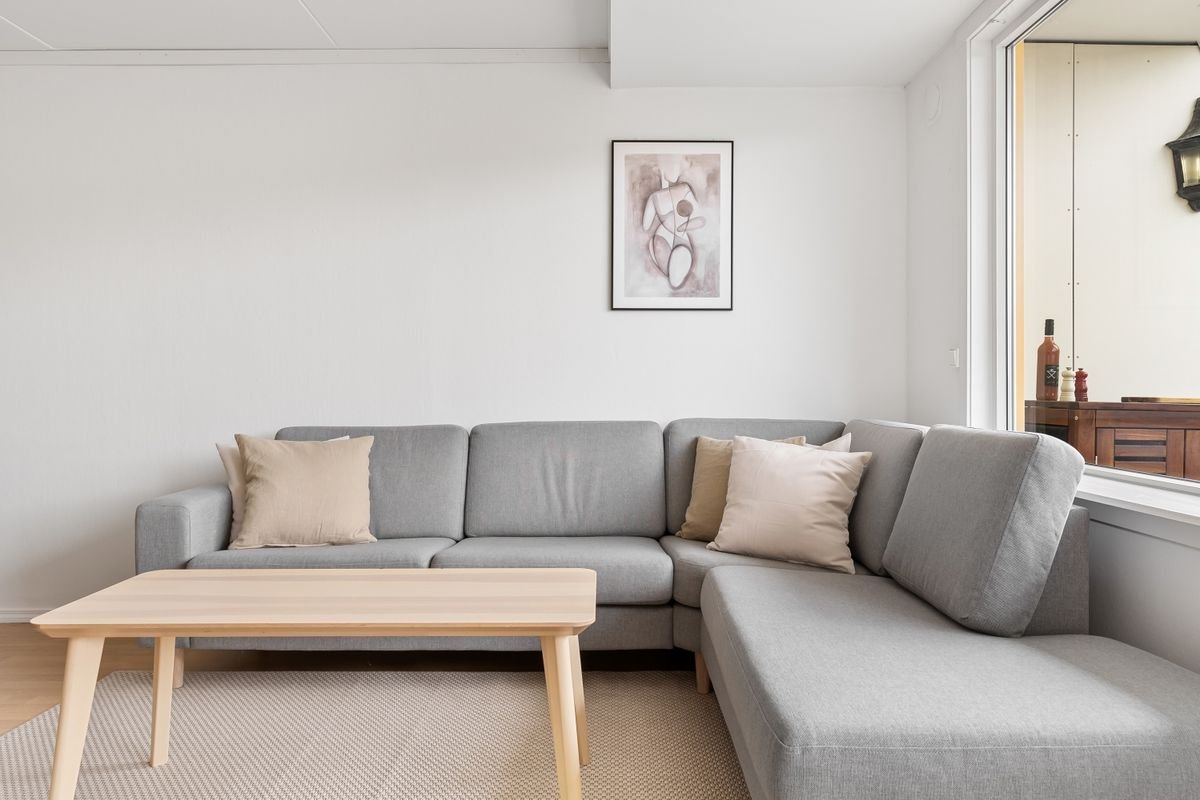
20 Living Room Decor Ideas on a Budget: A Makeover That Starts With What You Own
The first time I redid my living room, I had a long list to buy and almost no money. I did the steps in the wrong order. I bought cushions first, then realized the sofa was misplaced, the rug was too small, and the light was working against everything.
Here is the honest promise: a good budget makeover starts with what you already own. Free moves come first, then secondhand pieces with a clear job, then a short buying list only if needed. Work in order, stop when the room feels right, and use the $100 or $300 plan at the end for a set budget.
The quick list: rearrange the furniture, shop your own home, declutter with the 3-5-7 rule, size up the rug, use three lamps at three heights, swap to warm bulbs, cover the sofa, change pillow covers, hang curtains high and wide, thrift a coffee table, build a gallery wall, lean one big artwork, add a mirror, grow plants from cuttings, style a tray, paint one furniture piece, style your books, hide cords and clutter, then follow the $100 plan or the $300 plan.
20 Living Room Decor Ideas on a Budget: A Makeover That Starts With What You Own
1. Rearrange the furniture first (free)
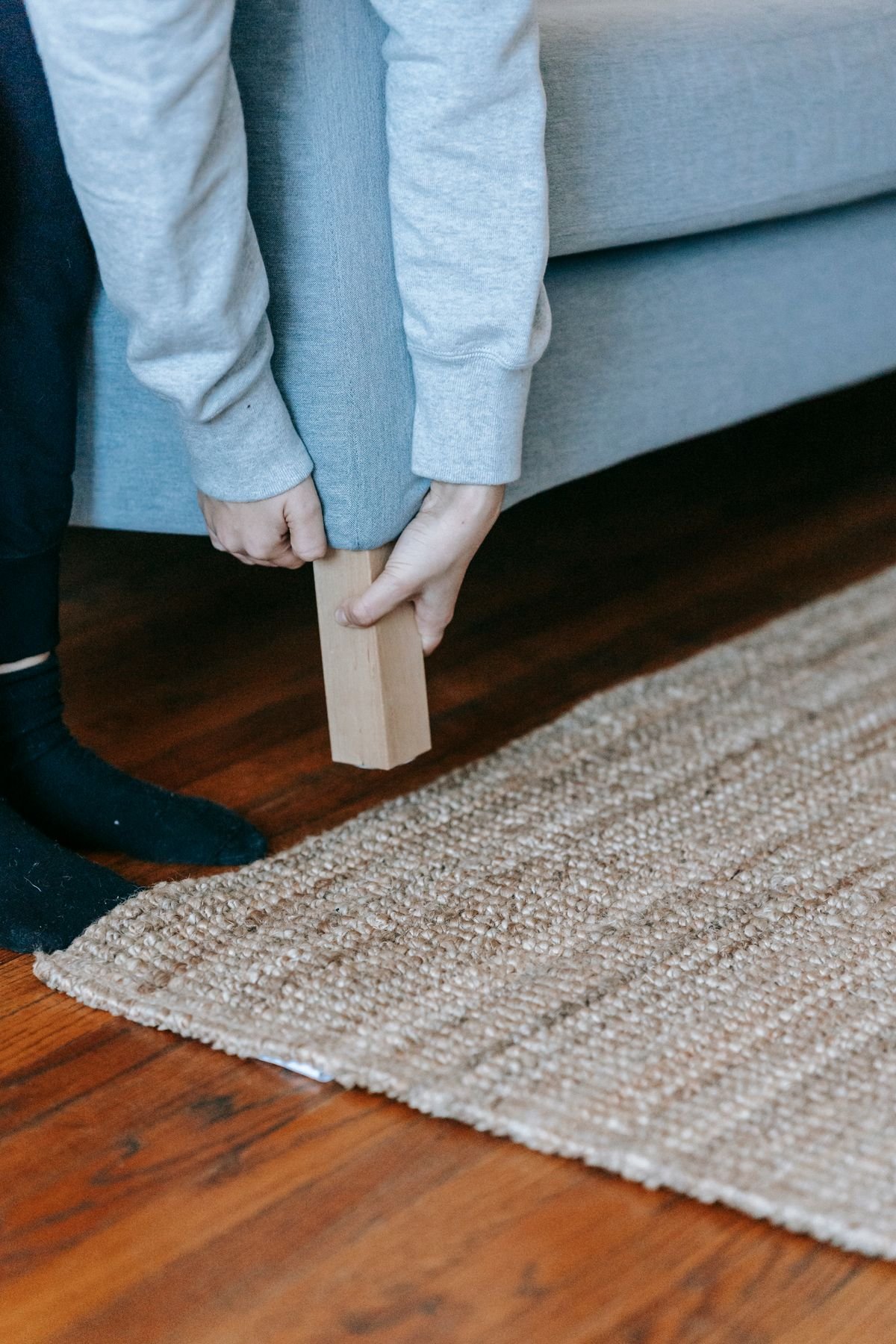
Before spending a single dollar, pull the sofa off the wall, angle the chairs toward each other, and give the room one clear focal point. Most living rooms feel tired because the layout is flat, not because the furniture is wrong. Try the sofa facing the window, with clear walking space behind it. Live with the new layout for two full days before judging it.
Budget tip: Take a photo of each layout. The camera shows awkward gaps your eyes ignore.
2. Shop your own home and restyle shelves
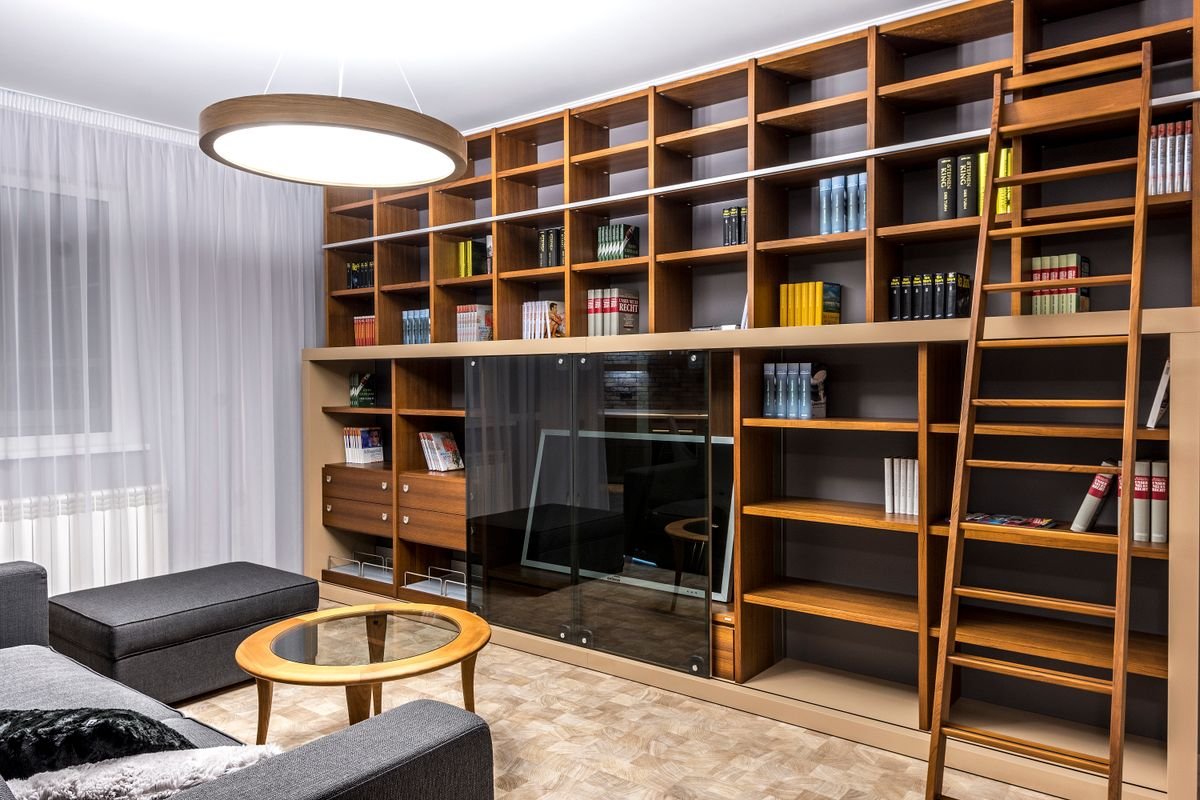
Walk through every other room with fresh eyes and gather what the living room could borrow: a lamp from the spare room, art from the hallway, a plant from the kitchen counter. Then restyle the shelves slowly, grouping objects in threes, mixing heights, and leaving empty space on purpose. Most rooms do not need more decor. They need the right pieces in the right room.
Budget tip: Fill one basket with leftover items. If nobody misses them after a month, donate them.
3. Declutter surfaces with the 3-5-7 rule
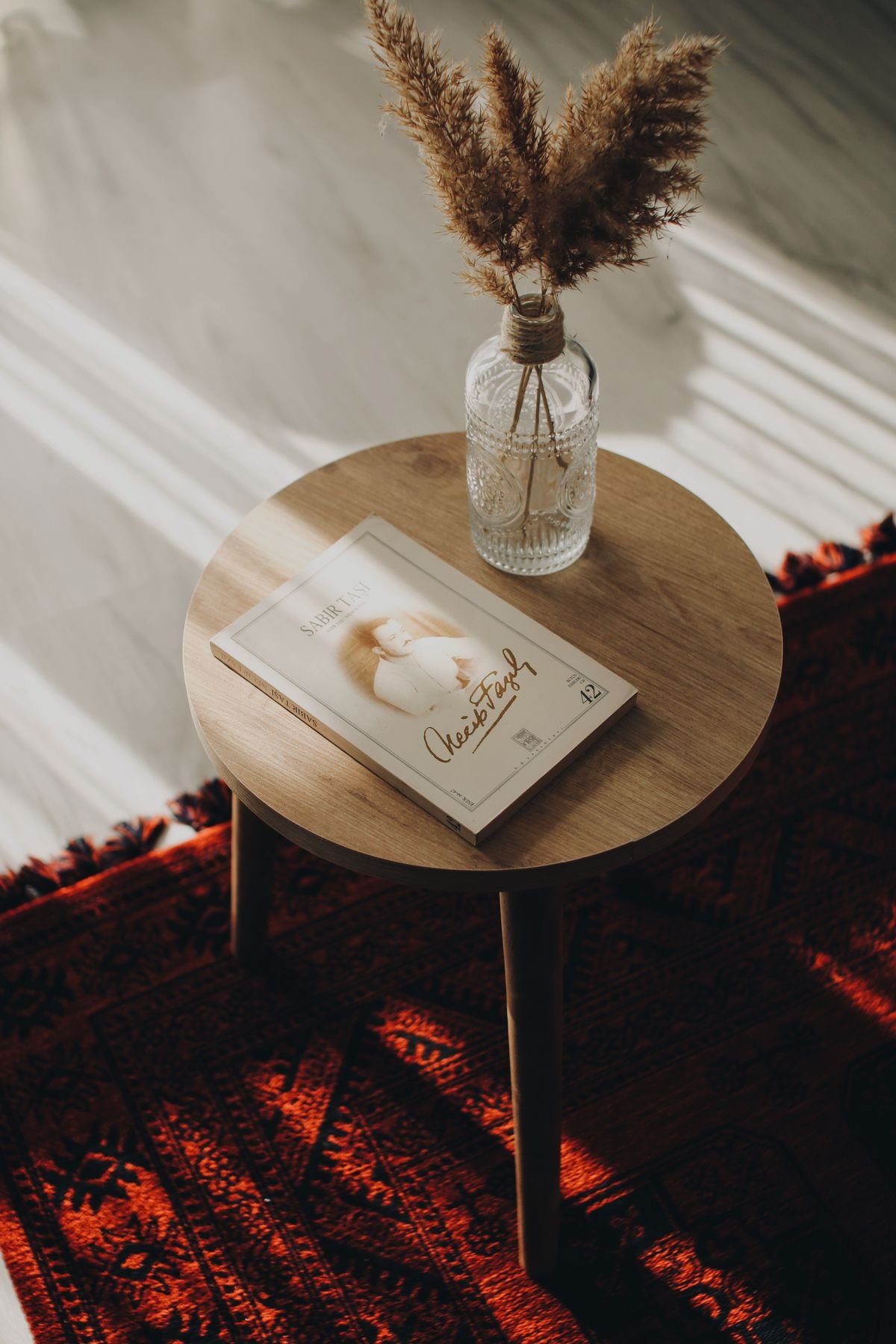
Flat surfaces collect clutter quietly, and clutter quickly makes a cared for room look cheap. My rule is simple: keep three objects on the coffee table, five on a sideboard, and seven along a full bookcase top. Everything else gets a drawer, a basket, or a new home elsewhere in the house. Clear surfaces let the pieces you love stand out, and cleaning becomes much faster too.
Budget tip: Photograph each surface before and after. The after photo keeps you motivated when clutter creeps back.
4. One rug big enough (front legs on)
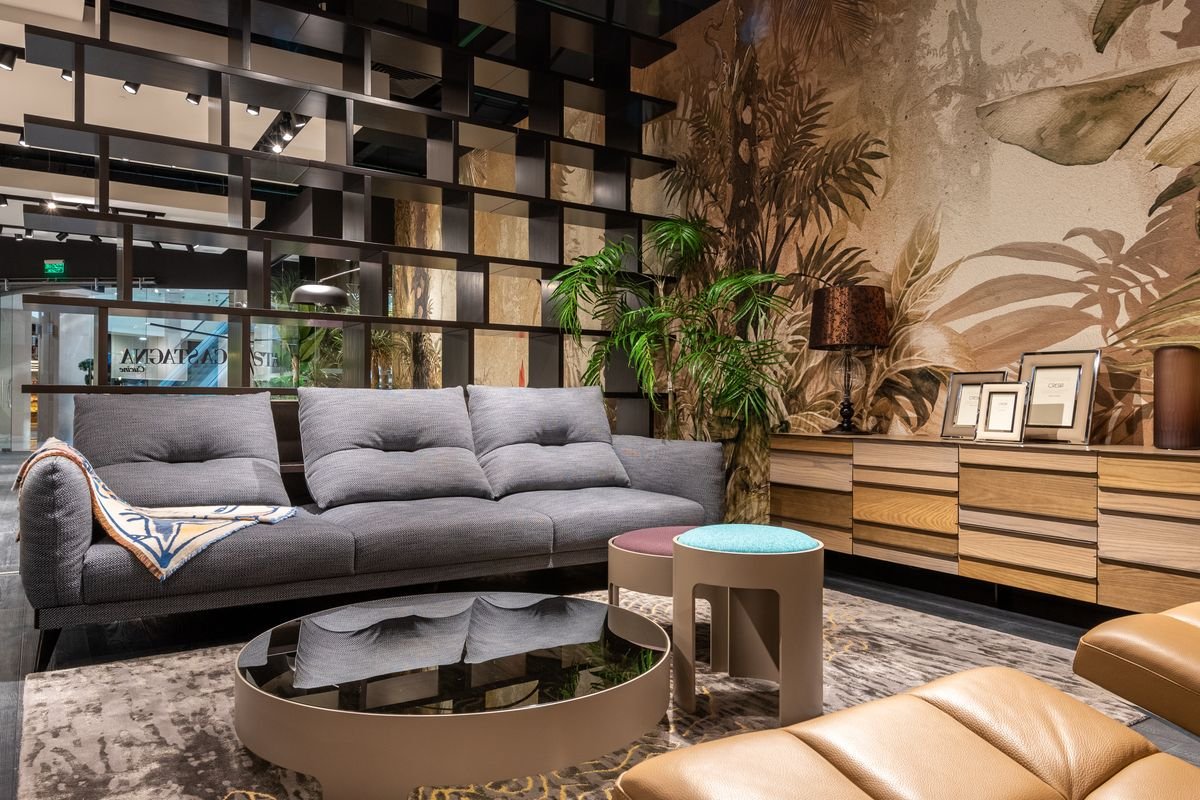
A small rug makes nice furniture look lost, like every piece is floating on its own little island. The rule that fixes it: the front legs of the sofa and chairs should sit on the rug, so the seating reads as one group. If a new rug is out of reach, layer a large, inexpensive flat weave rug under your smaller pretty one for size.
Budget tip: Check secondhand listings for large neutral rugs. People sell them after a move, barely used, very cheap.
5. Three lamps at three heights
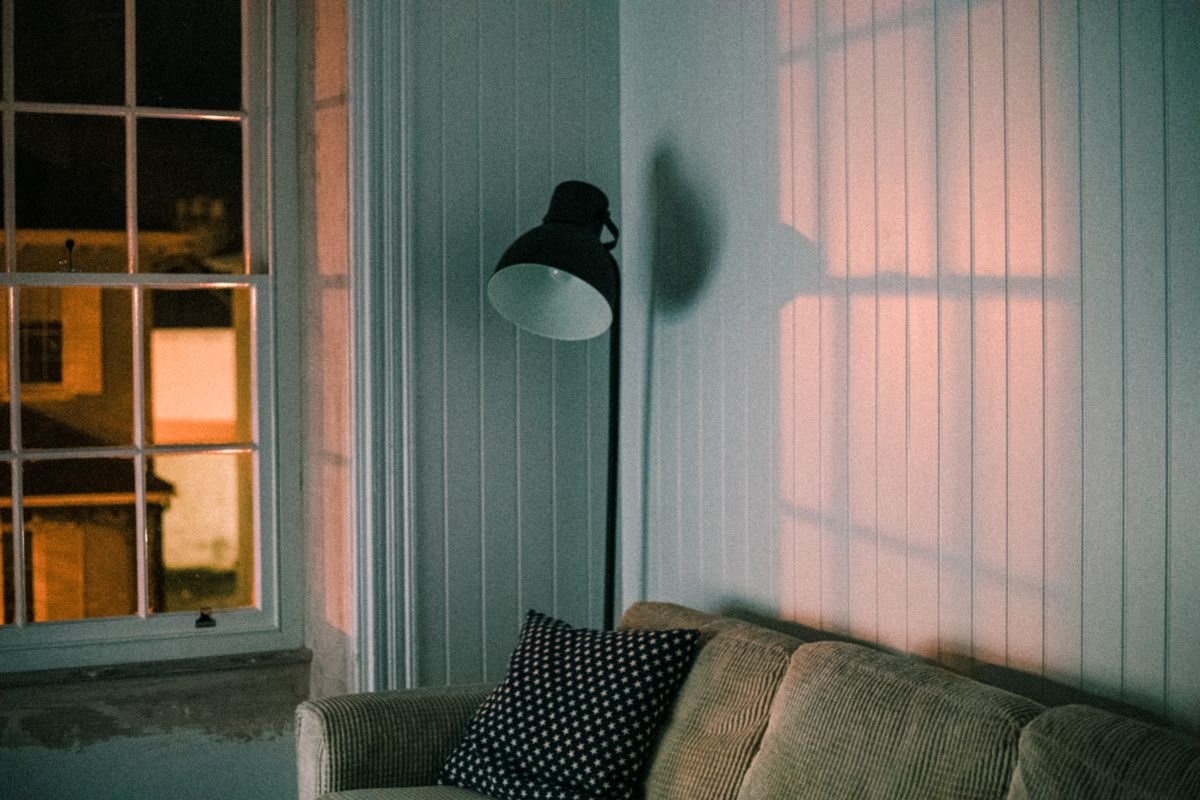
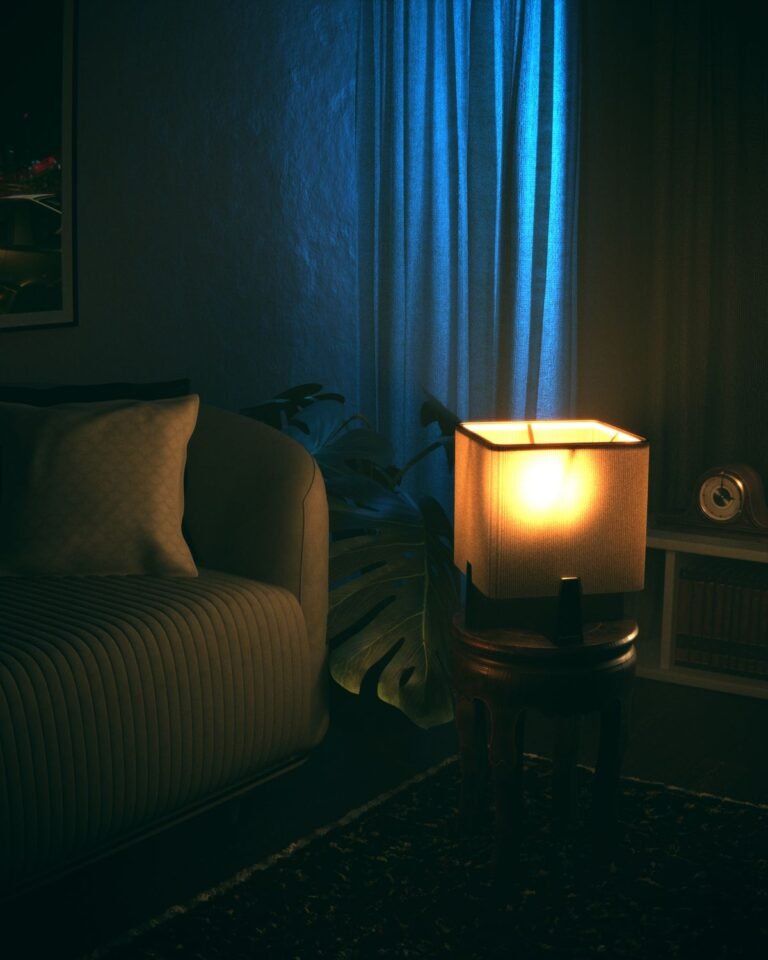
Overhead light alone makes a room feel flat and a little harsh by evening. Aim for three light sources at three heights: a floor lamp near a reading chair, a table lamp on a side table, and a small low lamp near the television or shelf. Turn them on together at dusk. The room suddenly feels layered, calmer, and far more expensive than it was.
Budget tip: Thrift stores are full of solid lamp bases. A new plain shade makes an old base look current.
6. Warm bulbs swap
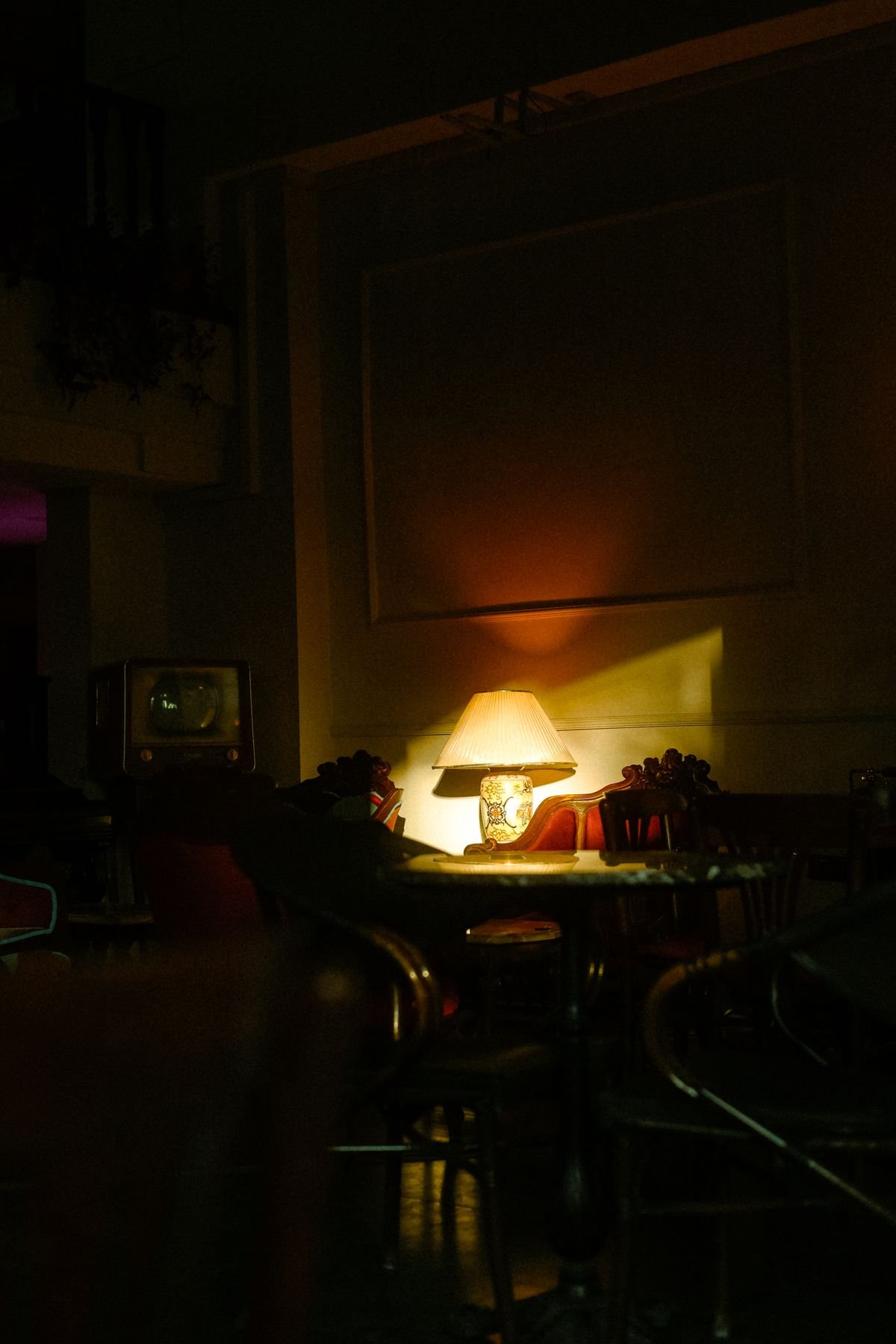
This is the smallest change on the list and one of the biggest. Replace cool, blue white bulbs with warm white bulbs, around 2700K, in every lamp in the room. Mixed bulb colors make a space feel unsettled without anyone knowing exactly why. Warm, matching light flatters wood, fabric, and paint all at once, and doing the whole room costs less than a takeout lunch.
Budget tip: Buy a multipack of warm bulbs and swap them all in one afternoon, so colors match.
7. Cover a tired sofa with a throw or washable cover
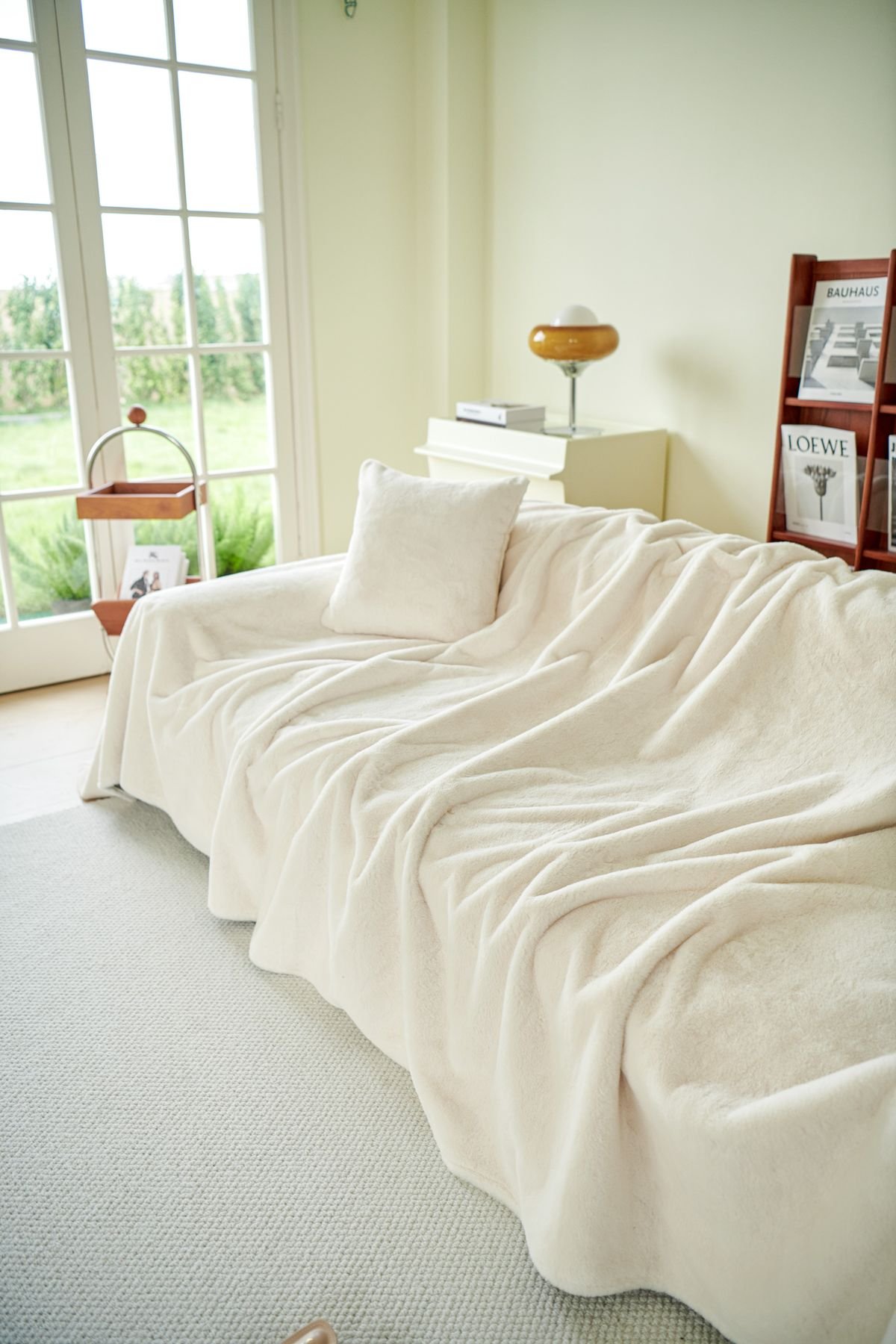
The sofa takes up the most visual space, so a worn sofa drags the whole room down with it. Before dreaming about replacing it, try a washable slipcover in a light, textured fabric, or drape a large throw over the worn side and tuck it in firmly. Add two pillows, and the sofa reads as styled, not tired. This buys you years while you save.
Budget tip: Choose a textured cover, like linen look or waffle weave. Texture hides wrinkles and pet hair.
8. Pillow covers not new pillows
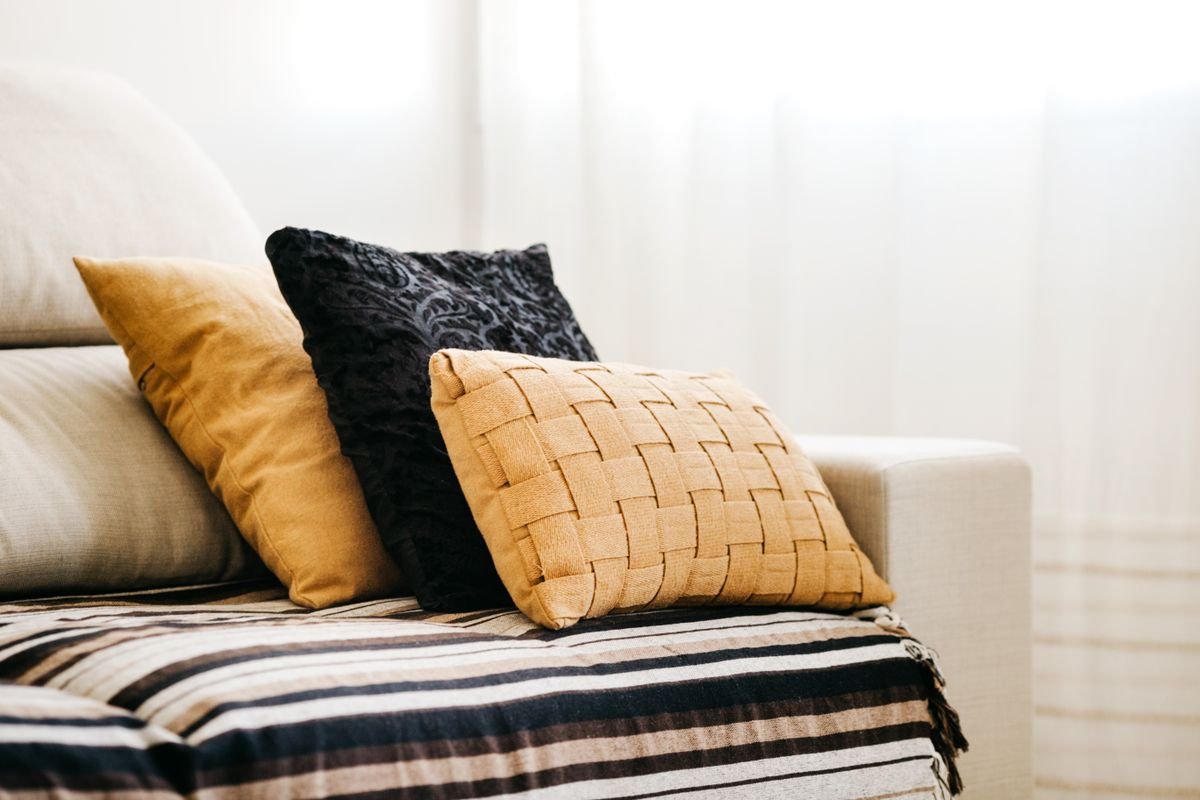
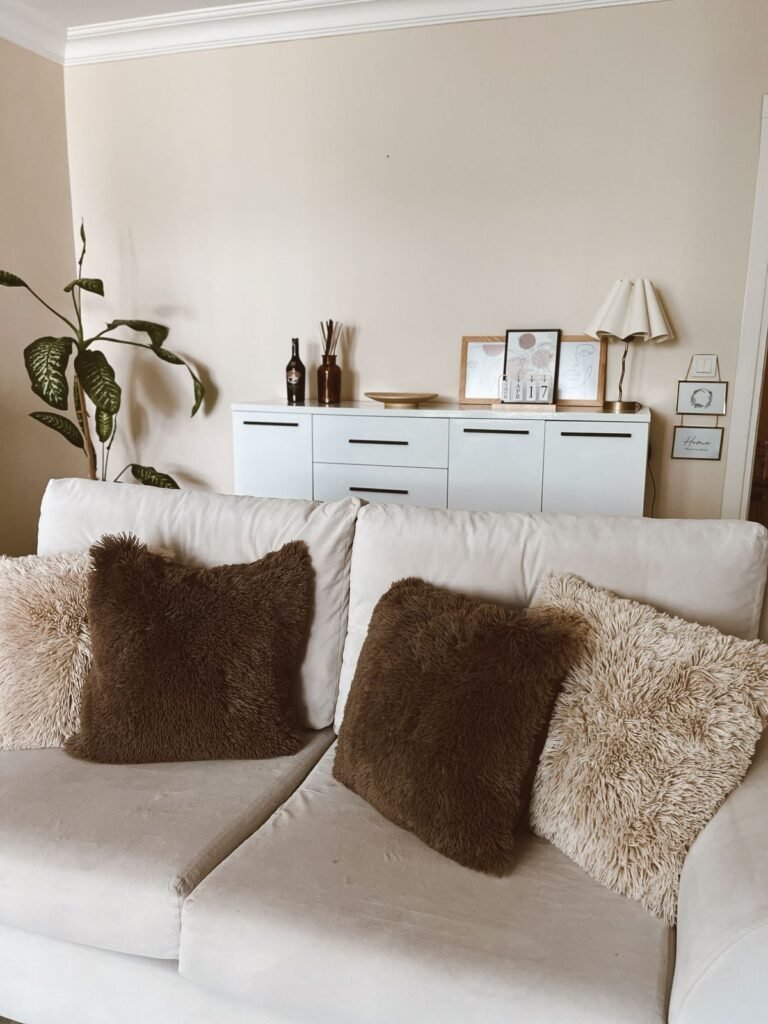
New pillows are pricey because you pay for the insert every single time. Covers alone cost a fraction, store flat in a drawer, and let you change the room with the seasons. Keep your existing inserts, measure them once, and buy covers one size smaller for a plump, full look. Mix one pattern, one solid, and one texture at each sofa end, then stop there.
Budget tip: Buy covers with a different fabric on each side. One cover gives you two looks.
9. Curtains hung high and wide
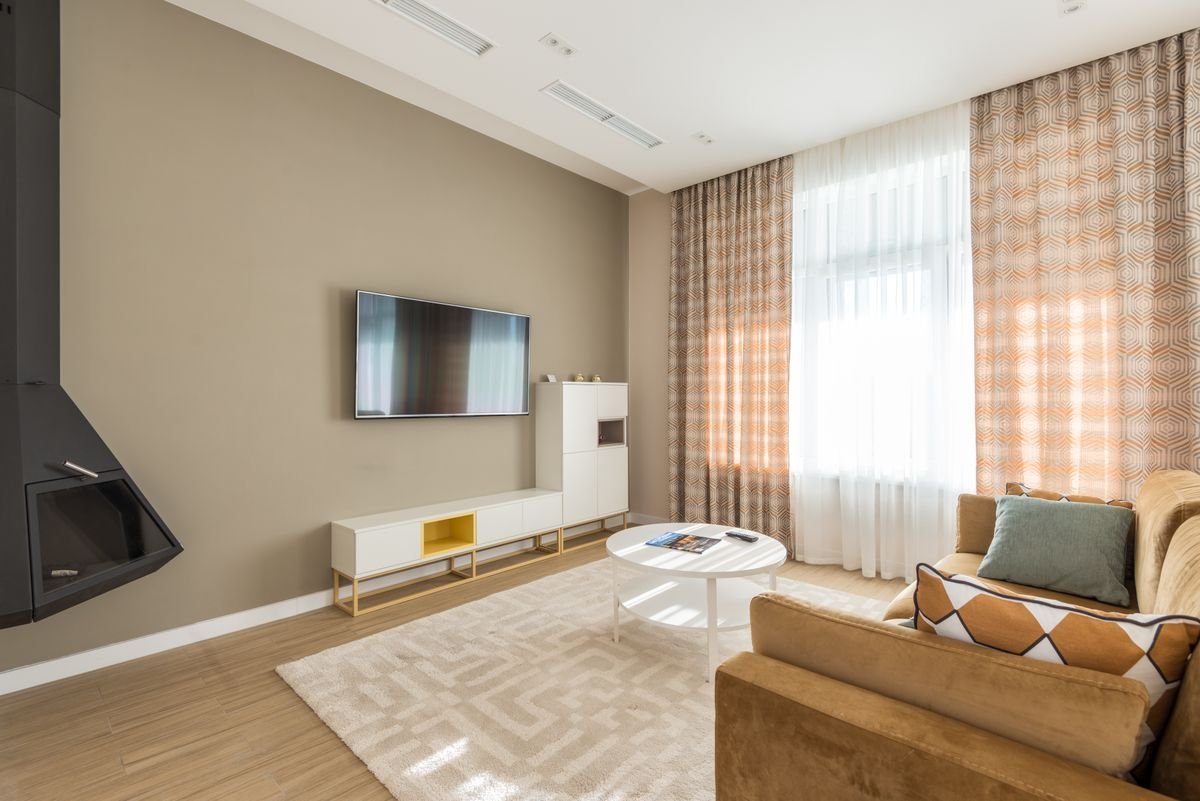
Curtains hung just above the window frame make ceilings look low and windows look small. Fix the rod near the ceiling instead, and extend it past the frame on both sides, so the fabric hangs mostly over the wall. The window looks bigger, more daylight comes in, and the whole wall feels taller. Plain linen look panels do this job beautifully and appear secondhand often.
Budget tip: If panels end up too short, add a hem band of cheap fabric at the bottom.
10. A thrifted coffee table or side tables
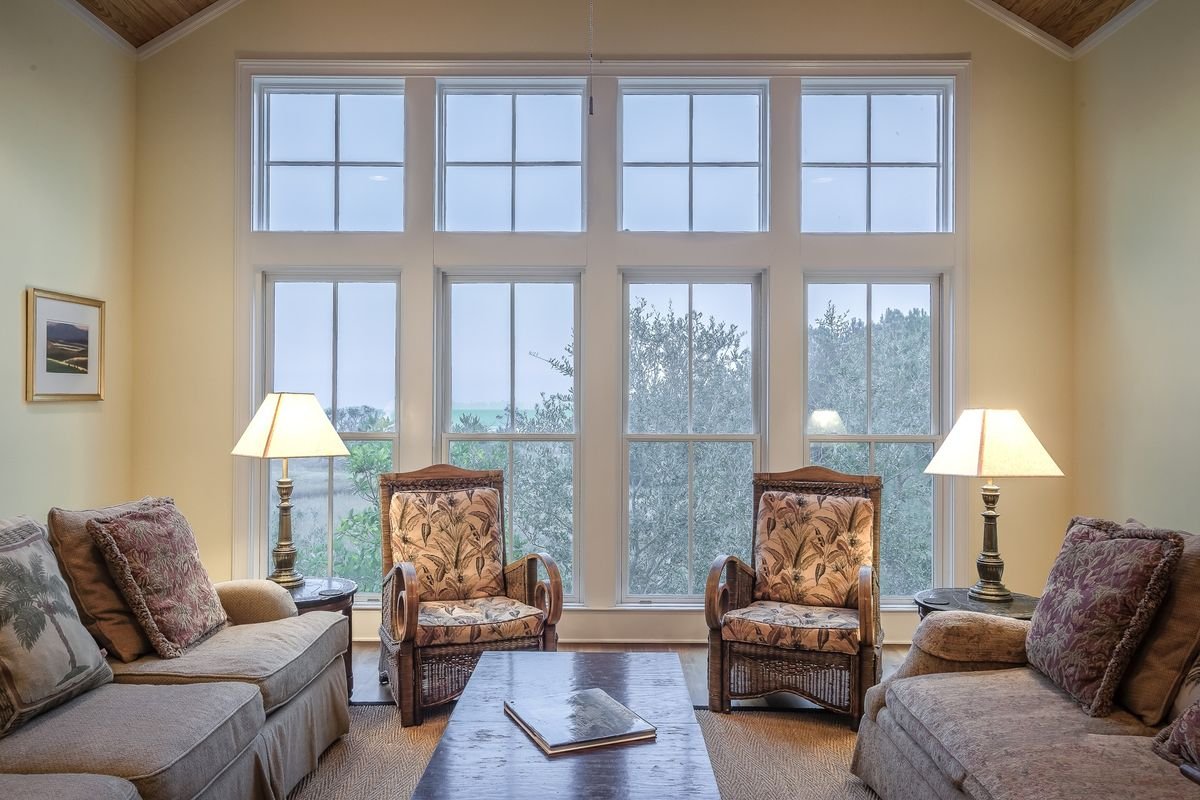
Coffee tables and side tables are the safest secondhand buys in the room, because solid wood survives decades and small scratches are easy to fix. Look for sturdy legs and a size that leaves about eighteen inches between the sofa edge and the table. A dated finish is fine. Sanding, stain, or one coat of paint can turn a five dollar table into the piece everyone asks about.
Budget tip: Shop estate and moving sales first. Sellers price complete room sets low to clear them.
11. Gallery wall from thrifted frames
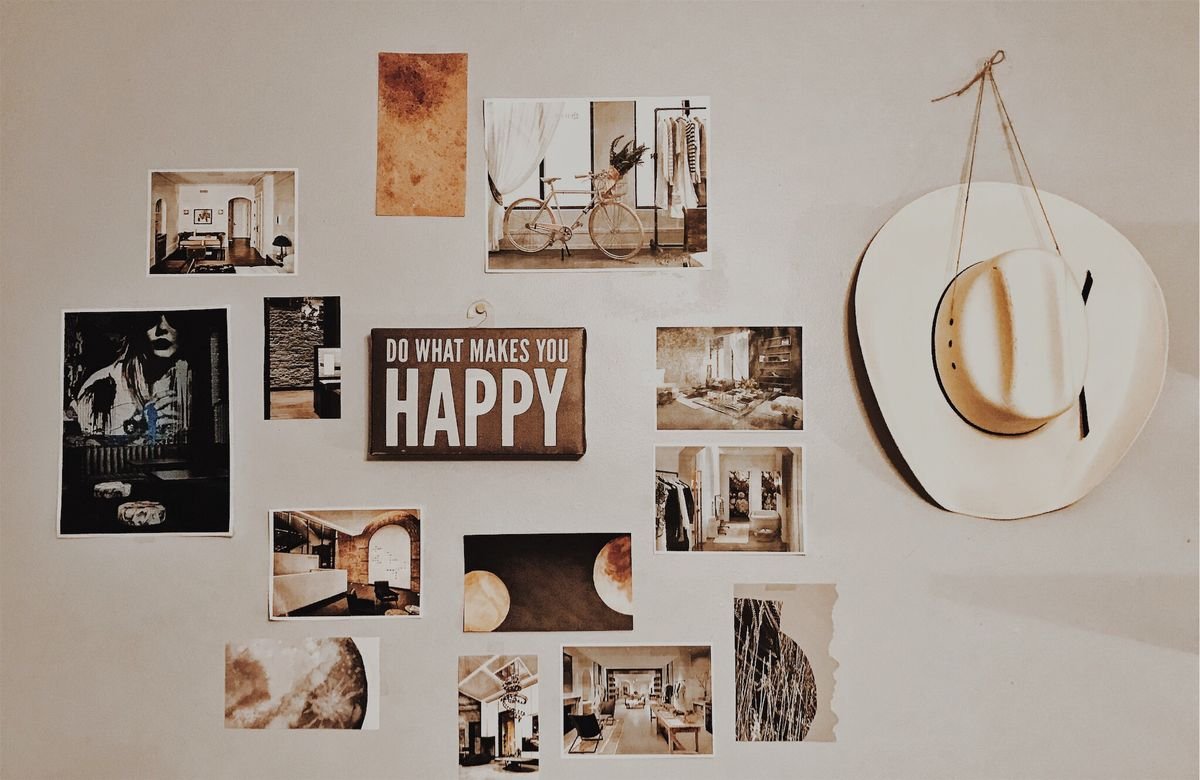
A gallery wall looks expensive, but the art inside it does not have to be. Collect thrifted frames in one finish, or paint mismatched frames the same color. Fill them with what you already have: calendar pages, fabric scraps, children drawings, maps, or photos printed at home. Lay the whole arrangement on the floor first, photograph it, and only then start hanging, working from the center outward.
Budget tip: Tape paper templates to the wall before nails go in. It saves holes and filler.
12. One big piece of art leaned, not hung
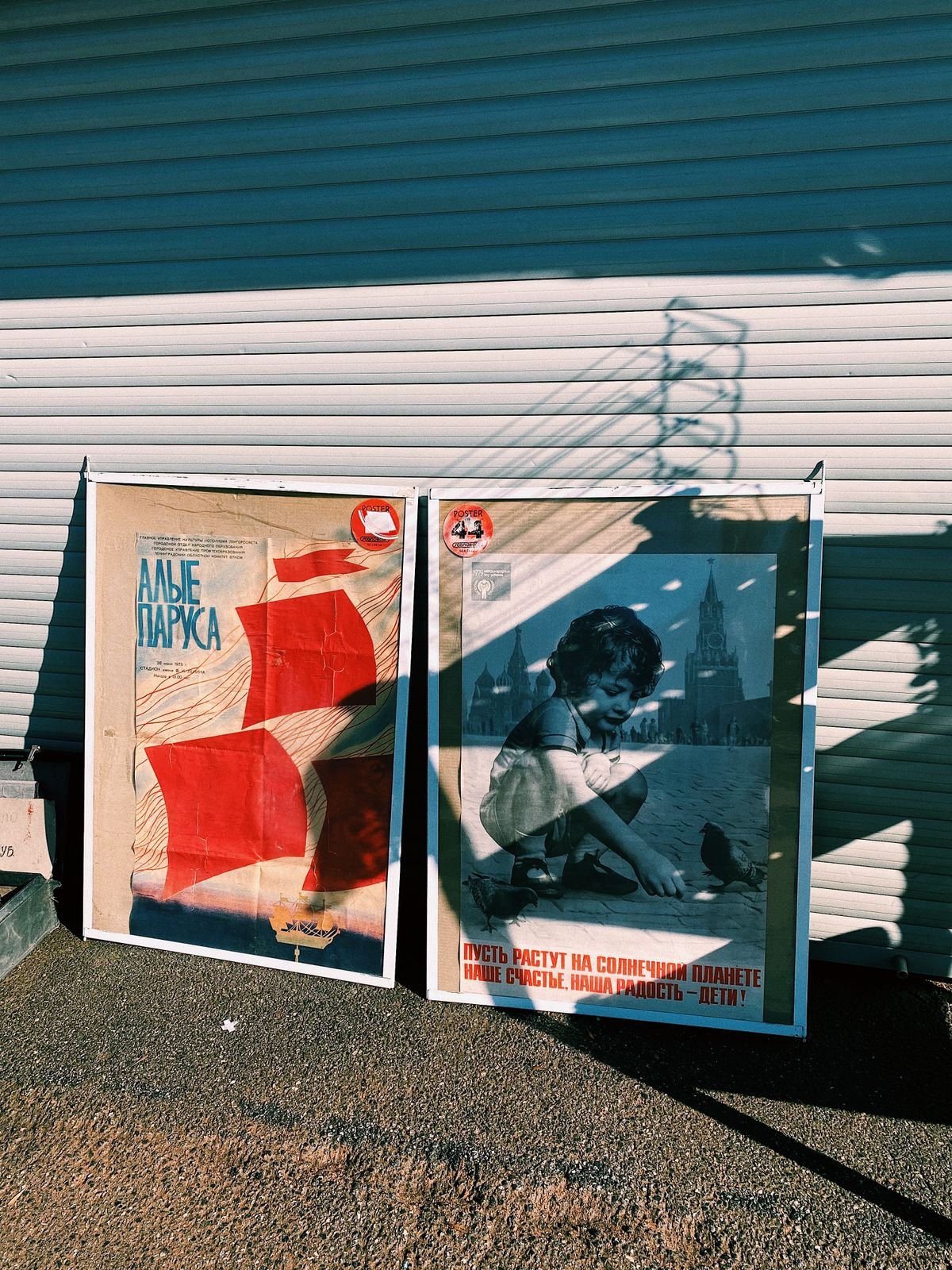
Small art scattered around a room can look busy and unsure of itself. One oversized piece does the opposite: it calms the wall and anchors the seating below it. Leaning it on a sideboard, mantel, or floor skips drilling, suits renters perfectly, and lets you move it whenever you rearrange. Secondhand oversized frames are common and cheap, and a poster, textile, or simple painted canvas fills one well.
Budget tip: Stretch a pretty tapestry over a thrifted frame for convincing large art, cheaply.
13. A mirror that doubles the light
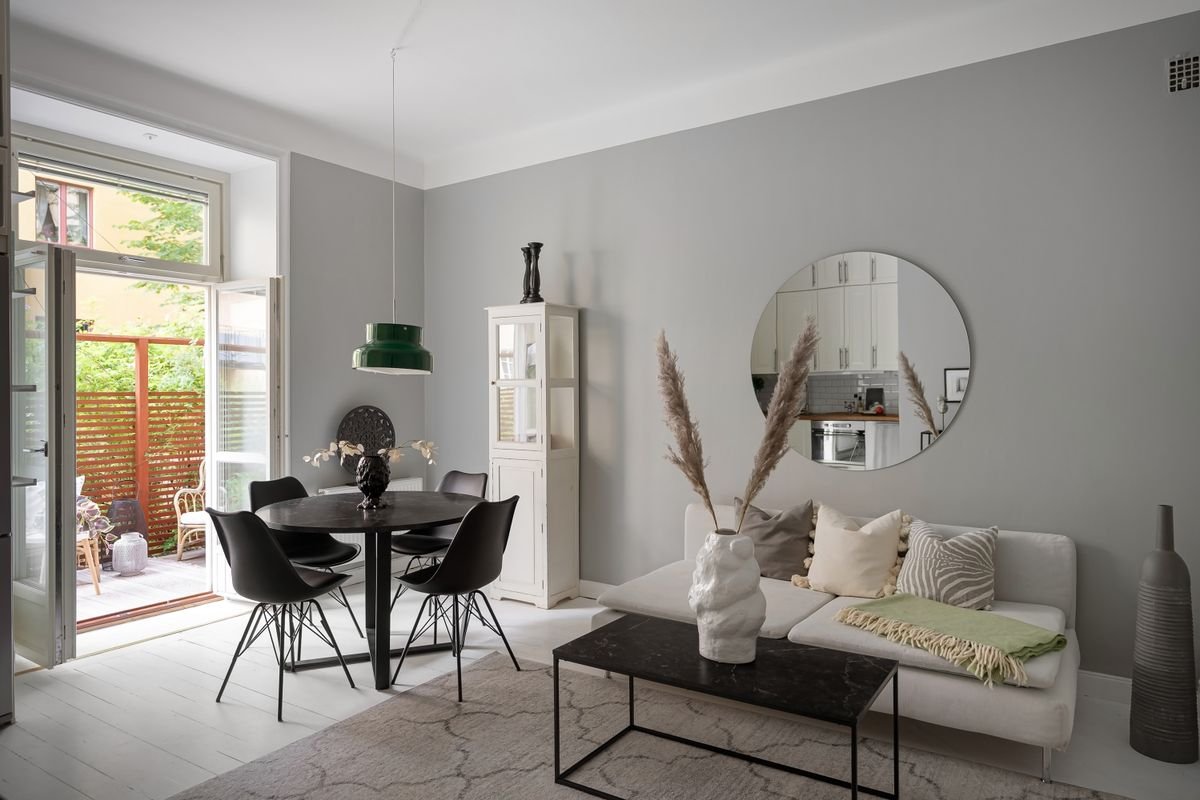
A mirror placed across from a window, or behind a lamp, bounces light into the darkest part of the room and makes a small living room feel noticeably bigger. Round mirrors soften the straight lines of sofas and shelves, while a tall leaning mirror adds the same drama as big art. Check the reflection before hanging: it should show the window, plants, or art, not a cluttered corner.
Budget tip: Mirrors are heavy, so yard sale sellers price them low to avoid moving them.
14. Plants from cuttings and one statement plant
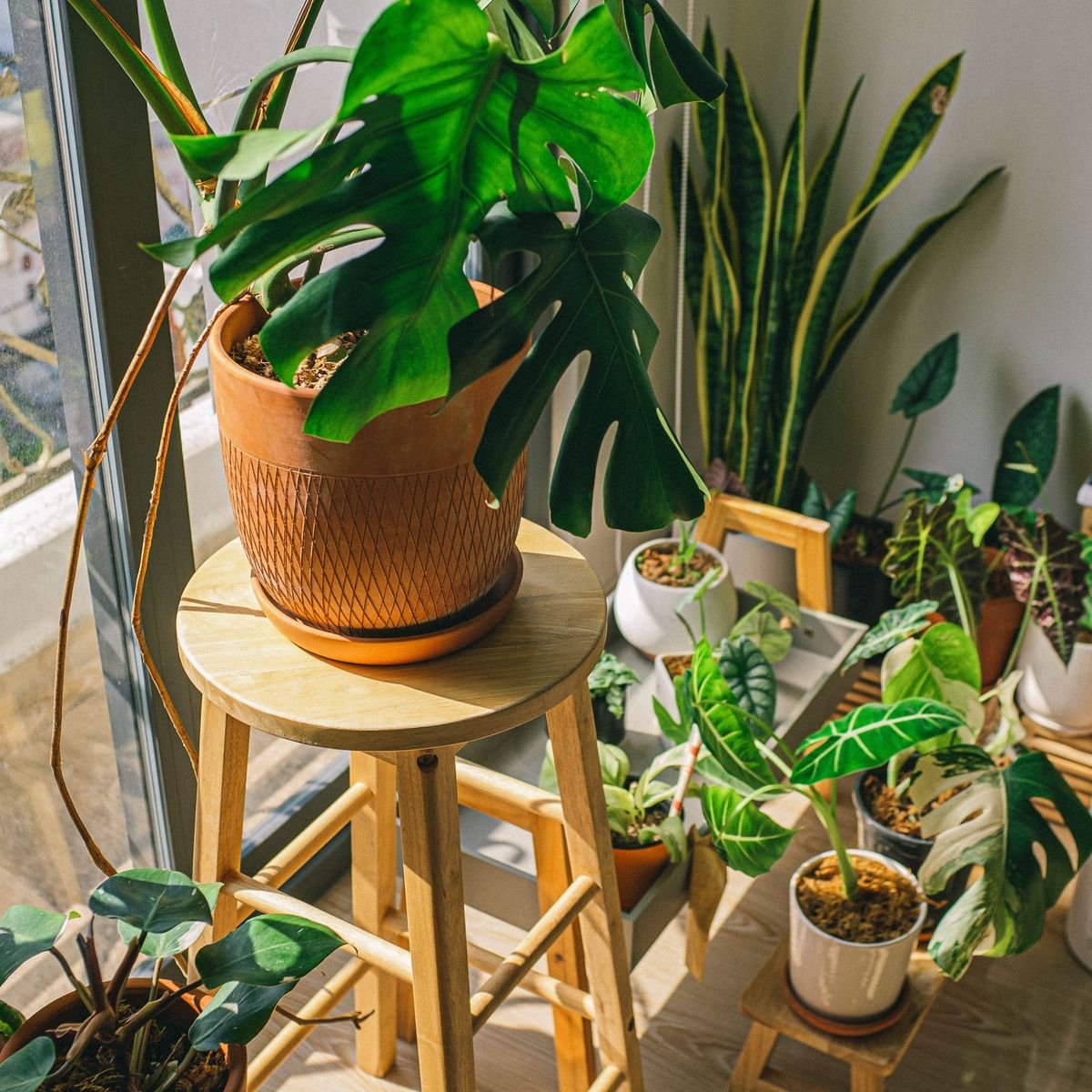
Plants add life that no cushion can copy, but buying many at once gets expensive fast. Start with cuttings instead: pothos, spider plants, and tradescantia root happily in a jar of water on the windowsill, then move to soil for free. Ask friends for snips and check plant swaps. Then spend your plant money on one larger statement plant for the emptiest corner of the room.
Budget tip: Keep cuttings in pretty jars on the shelf while they root. They count as decor.
15. A tray vignette on the coffee table
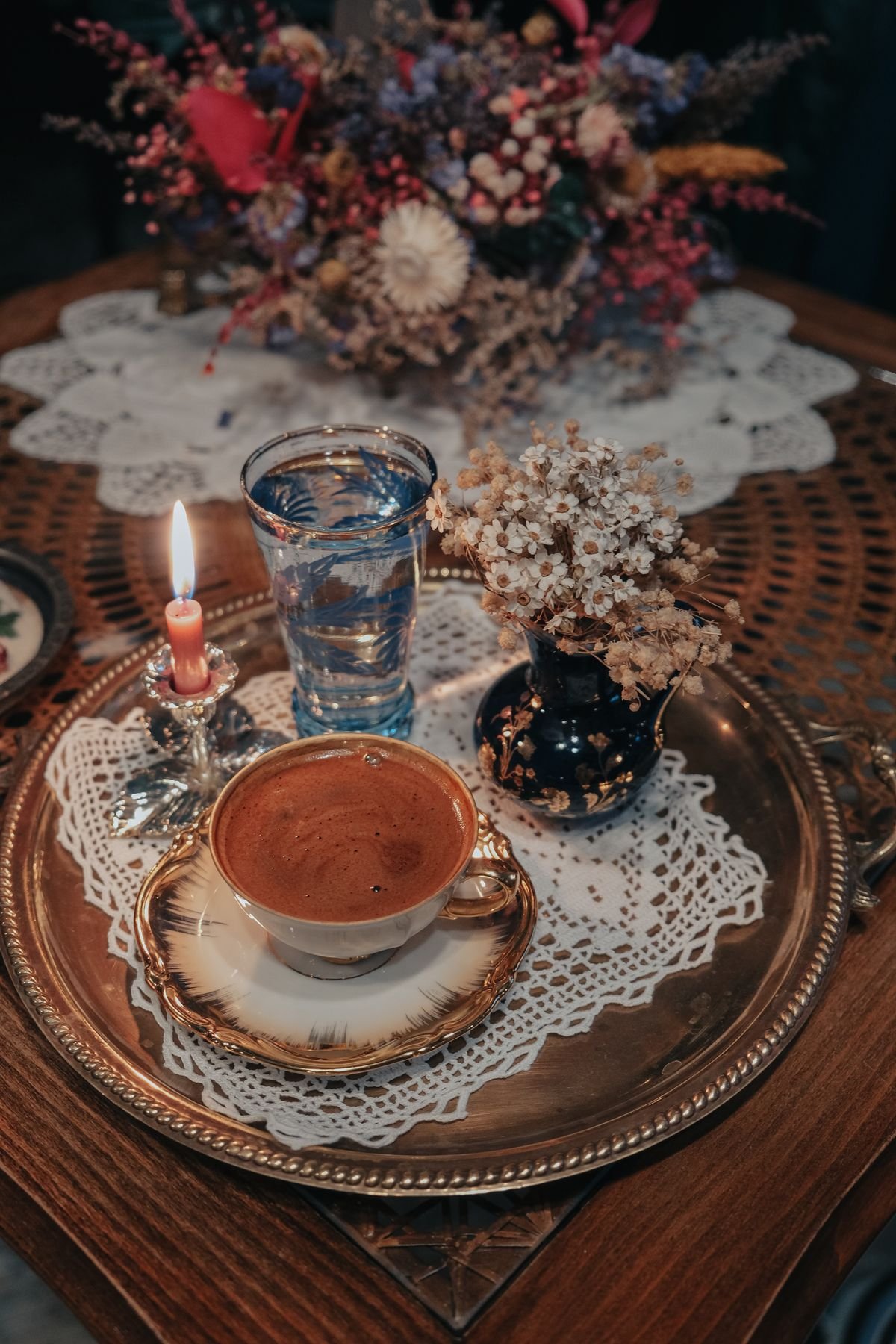
Loose remotes, coasters, and candles spread across a coffee table read as mess. The same objects grouped on one tray read as a styled moment instead. A tray gives every small item a clear boundary, and makes the table faster to clear for games or dinner trays. It also creates a home for your book, candle, and something green. Wood, metal, and woven trays all work well.
Budget tip: No tray in the budget? A large hardcover book or cutting board works as a base.
16. Paint one piece of furniture to anchor the room
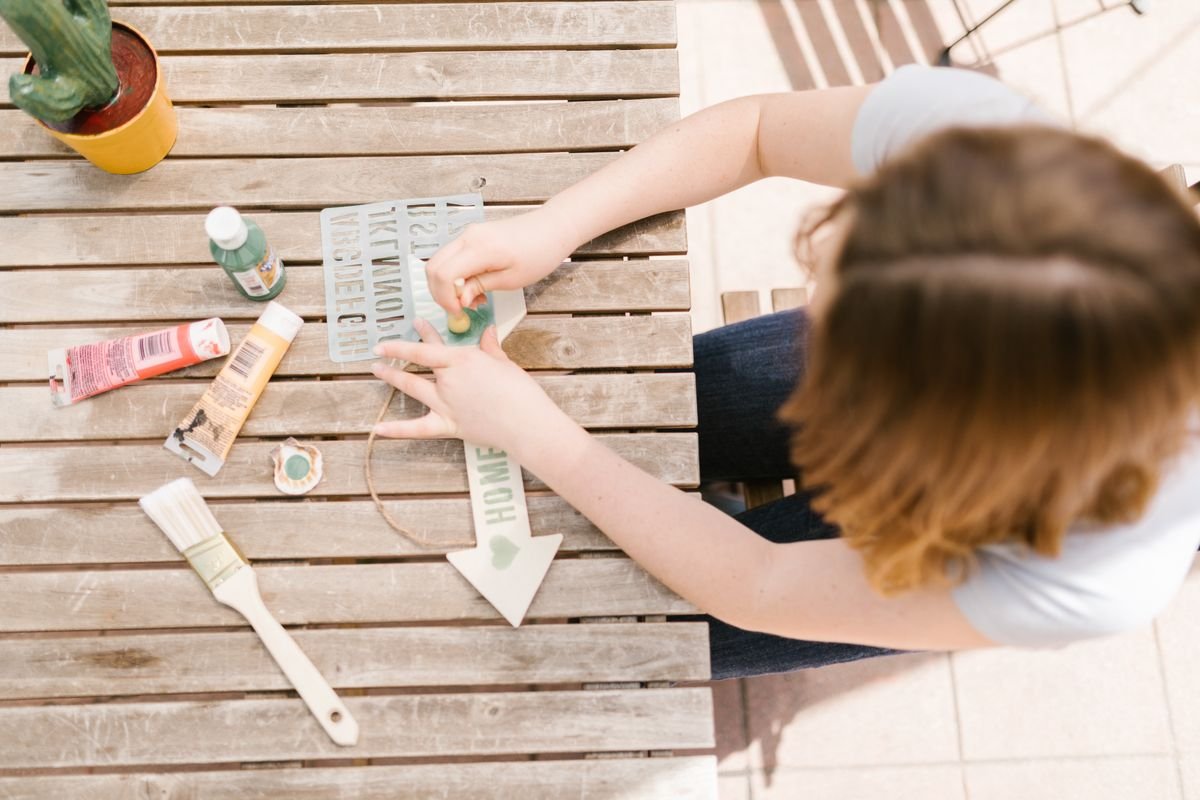
Painting everything is a project nobody finishes. Painting one piece is a weekend win. Choose the item your eye lands on first, a bookshelf, a sideboard, or a plain side table, and give it a rich color that repeats somewhere else in the room, like a cushion or a print. That single painted piece ties the palette together and makes the thrifted mix look planned, not accidental.
Budget tip: A sample pot often covers one small piece. Ask about returned mistint cans for savings.
17. Books styled by color and stacks

Books are free decor hiding in plain sight. Pull your prettiest hardcovers off the closed shelf and stack three or four on the coffee table or beside a lamp, with a small object on top. On open shelves, group some books by color, turn a few stacks sideways as bookends, and leave breathing room around them. Styled this way, books you already own look like a deliberate design choice.
Budget tip: Remove torn dust jackets. The cloth binding underneath usually looks classic and more expensive.
18. Hide the cords and the clutter baskets
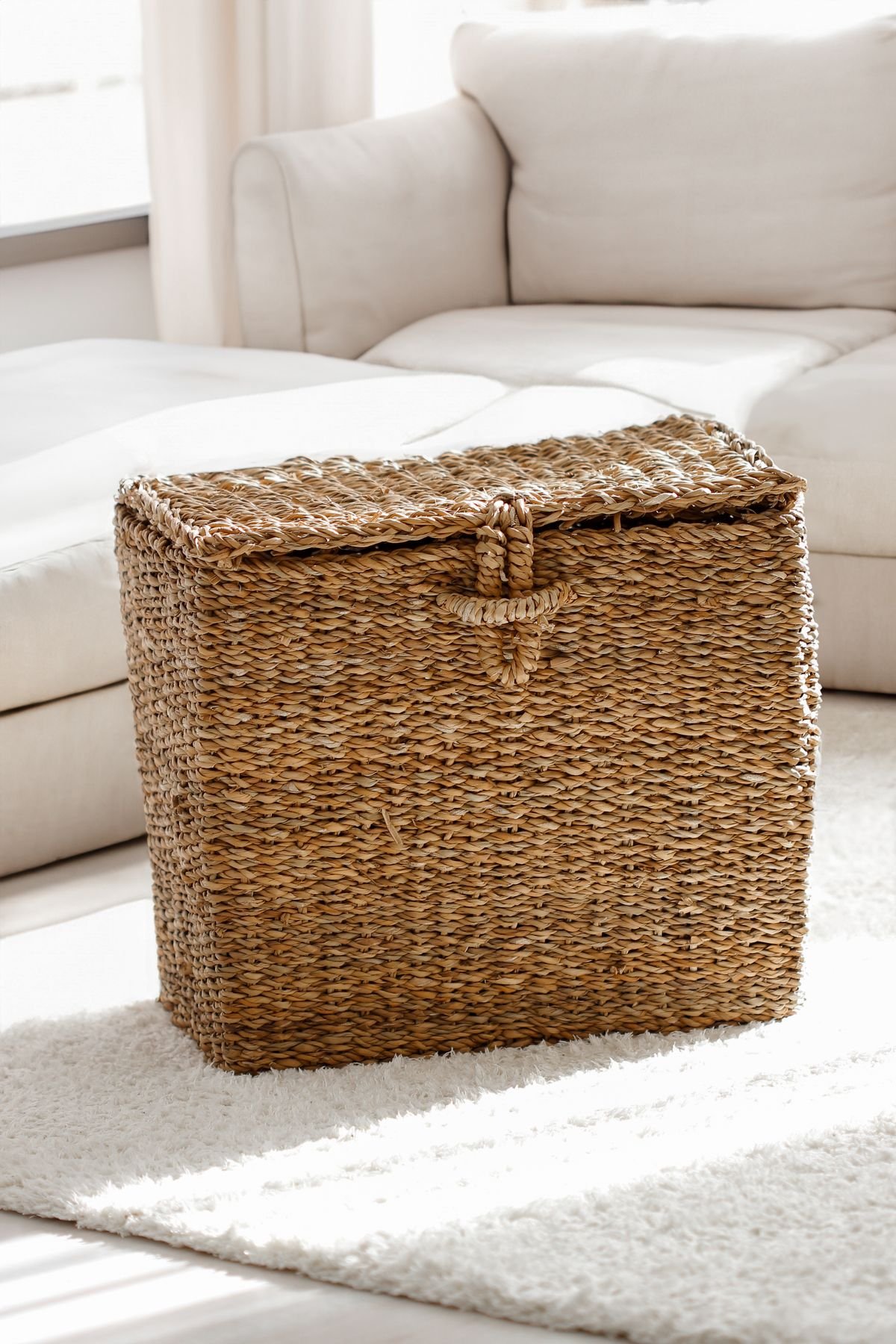
Nothing undoes a styled room faster than a tangle of charging cords and everyday stuff with no home. Route television and lamp cords along the wall with clips, and drop chargers into one lidded box. Place two matching baskets where clutter actually lands: throws by the sofa, magazines or toys by the chairs. When baskets match the room, storage stops looking like storage and starts looking like texture.
Budget tip: Put the basket where the mess already happens, not where you wish it happened.
19. The $100 refresh plan (order to buy)
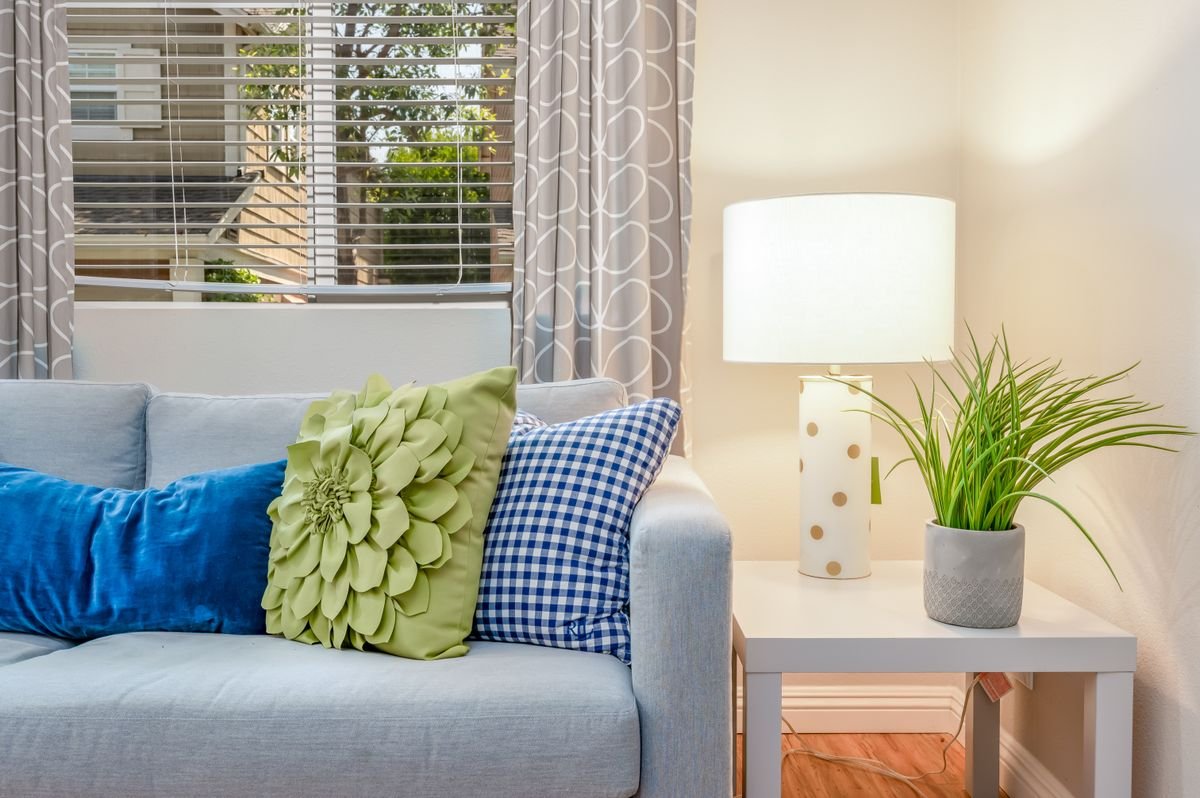
If you have $100, spend it in this order, and stop the moment the room feels done. First, warm bulbs for every lamp, about $12. Second, two pillow covers in your chosen palette, about $20. Third, one large thrifted mirror or artwork, about $25. Fourth, a tray and one candle, about $15. Fifth, one statement plant, about $20. That leaves a small buffer for hooks and clips.
Budget tip: Buy in this exact order. Each step gives the biggest visible change for the money.
20. The $300 makeover plan (order to buy)
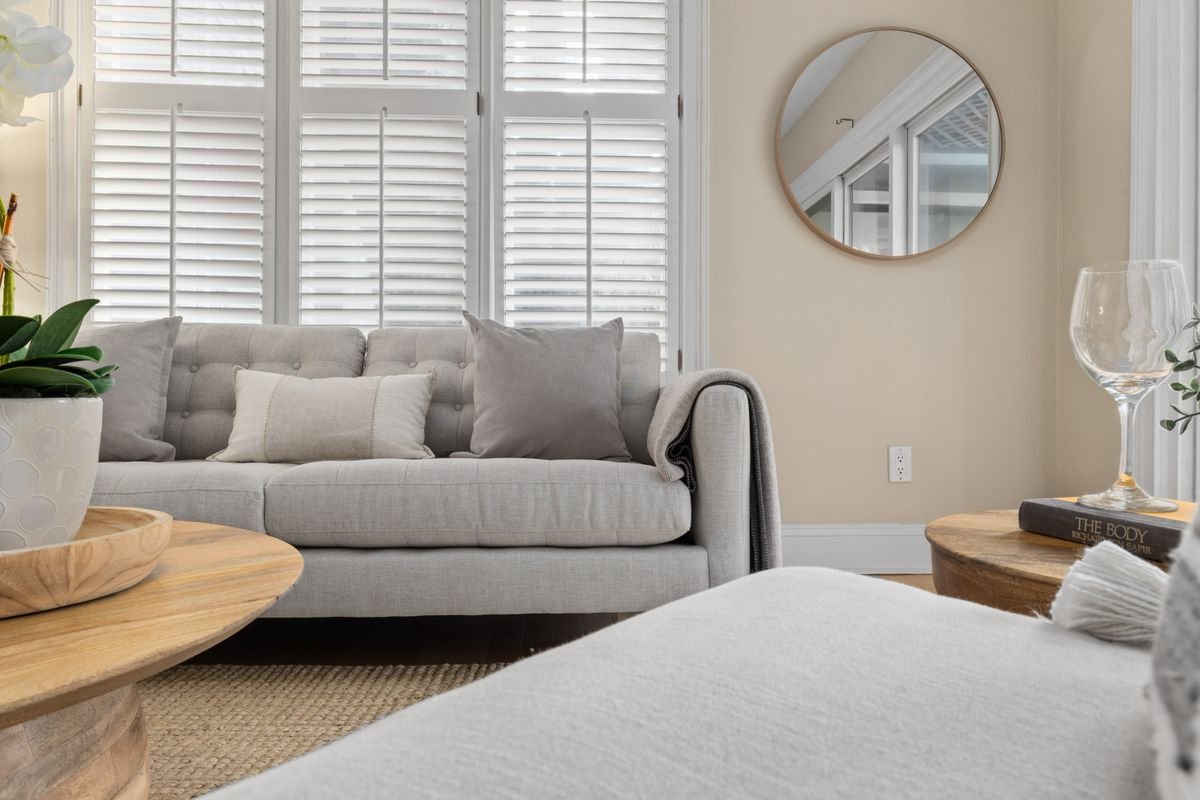
With $300, keep the $100 plan and build on it in this order. First, the rug, secondhand if possible, about $80, sized so the front legs sit on it. Second, curtain panels and a longer rod, about $50. Third, a washable sofa cover, about $45. Fourth, one solid thrifted table, about $50. Fifth, paint and supplies for one anchor piece, about $25. Size and light first, then surfaces, then color.
Budget tip: Hold back $30 until the end. A week in the room shows what it needs.
For more, my guides to Cozy Living Room Ideas and Budget-Friendly Home Decor Ideas walk through real small spaces step by step.
Mistakes That Waste Money in a Budget Living Room
1. Buying decor before fixing the layout. Accessories cannot save a room where the sofa blocks the light and chairs face the walls. Rearranging is free, so it always comes first.
2. Buying a rug that is too small. A tiny rug under only the coffee table makes seating look scattered and the room feel smaller. When in doubt, size up.
3. Matching sets of everything. Sofa, cushions, curtains, and rug bought as one set looks flat, like a showroom nobody lives in. Pieces should share a palette, not a pattern.
4. Spending on small decor instead of one big piece. Ten small ornaments rarely change a room, but one large mirror, artwork, or plant changes it instantly.
5. Ignoring the light. People repaint walls while one harsh overhead bulb keeps ruining everything after dark. Bulbs and lamps are the cheapest layer of the makeover.
Frequently Asked Questions
How can I decorate my living room with a very small budget?
Start free: rearrange the furniture, borrow decor from other rooms, and clear your surfaces. Then fix the light with warm bulbs and lamps you own. Only after that, buy secondhand, in this order: pillow covers, one large mirror or artwork, then a plant.
What should I buy first for a living room makeover?
Buy for size and light before decor. A correctly sized rug and warm, layered lighting change the room more than any accessory. Next, a sofa cover or pillow covers refresh the biggest surface. Small objects come last.
How do I make a small apartment living room look bigger?
Hang curtains high and wide, place a mirror where it reflects the window, and choose a rug big enough to unite the seating. Keep surfaces clear, pick furniture with legs so the floor shows, and stick to one calm palette.
Is $100 really enough to refresh a living room?
Yes, if you spend it in order. Warm bulbs, two pillow covers, one large thrifted mirror or artwork, a tray, and one statement plant cover the five changes people notice most. Free rearranging first makes that money land better.
How do I choose colors for a budget living room?
Pick two main colors and one accent from something you already own and love, like a rug or a print. Buy every new piece inside that palette, and let texture create the interest. A tight palette makes mixed thrifted pieces belong together.
Your Move
Pick the free weekend first. Rearrange on Saturday morning, shop your own home in the afternoon, and clear every surface before dinner. Live with it for a few days, take photos, and only then decide whether your room needs the $100 plan, the $300 plan, or nothing more.
I add new budget room ideas, secondhand finds, and small space plans every week, so follow @dwellonbudget on Pinterest for more budget ideas, and save the plans here for your next free weekend.